Electric tractors are practical when their battery capacity, charging opportunities and power output match the work. They are much less practical when a tractor is expected to operate at high load for long periods far from a charger.
That may sound cautious, but it is the most useful answer. Farming contains too many different duty cycles for a single verdict.
Practicality begins with the duty cycle
A duty cycle describes what the tractor actually does over time.
For example:
- two hours of yard work;
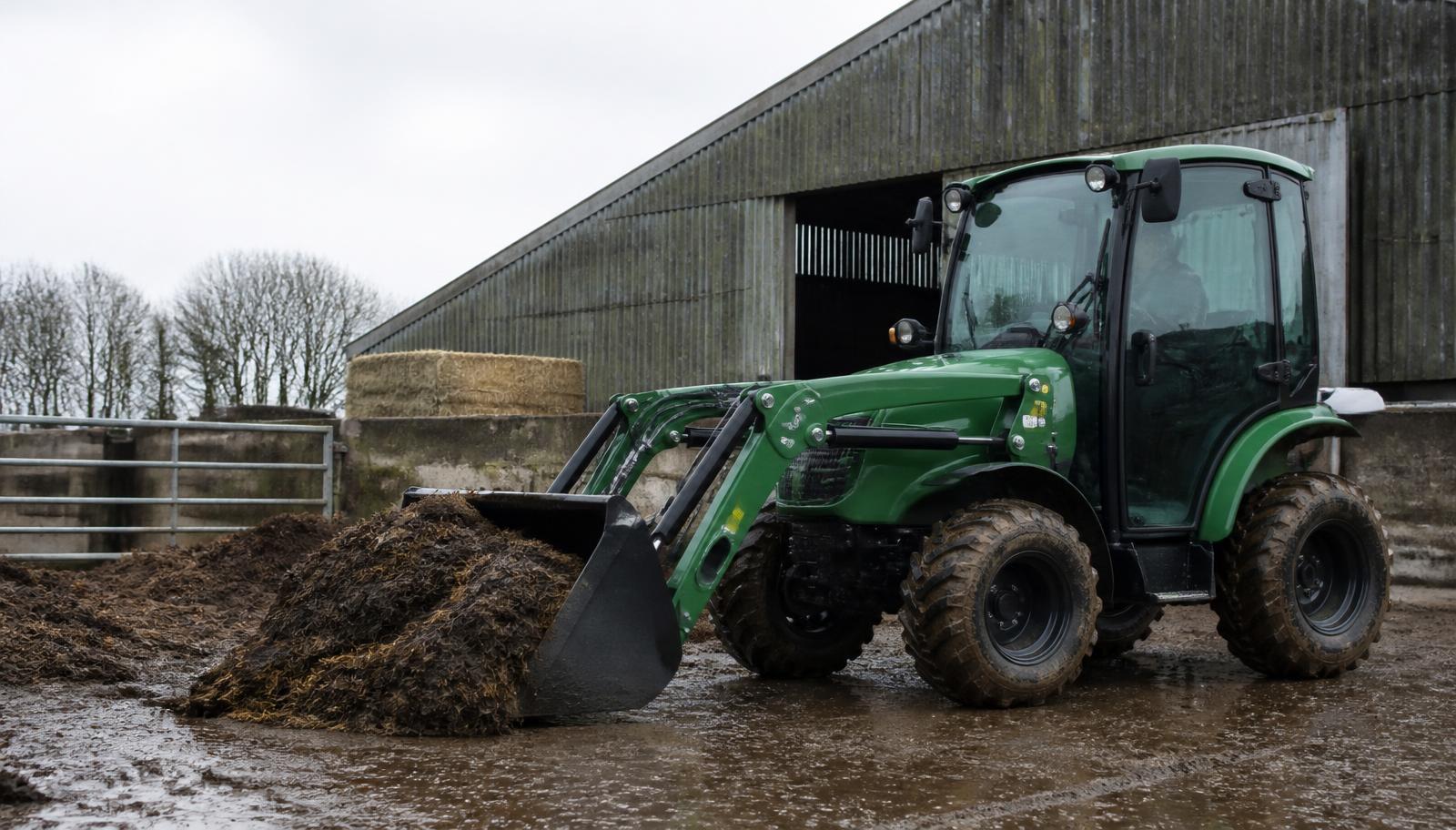
- one hour of loader use;
- a short road journey;
- three hours of mowing;
- overnight parking at the same barn.
That pattern is much easier to electrify than continuous heavy cultivation over a long day.
Predictable work helps
Electric machinery benefits from known schedules.
If a tractor returns to the same base every day and normally sits unused overnight, charging can fit naturally around the operation.
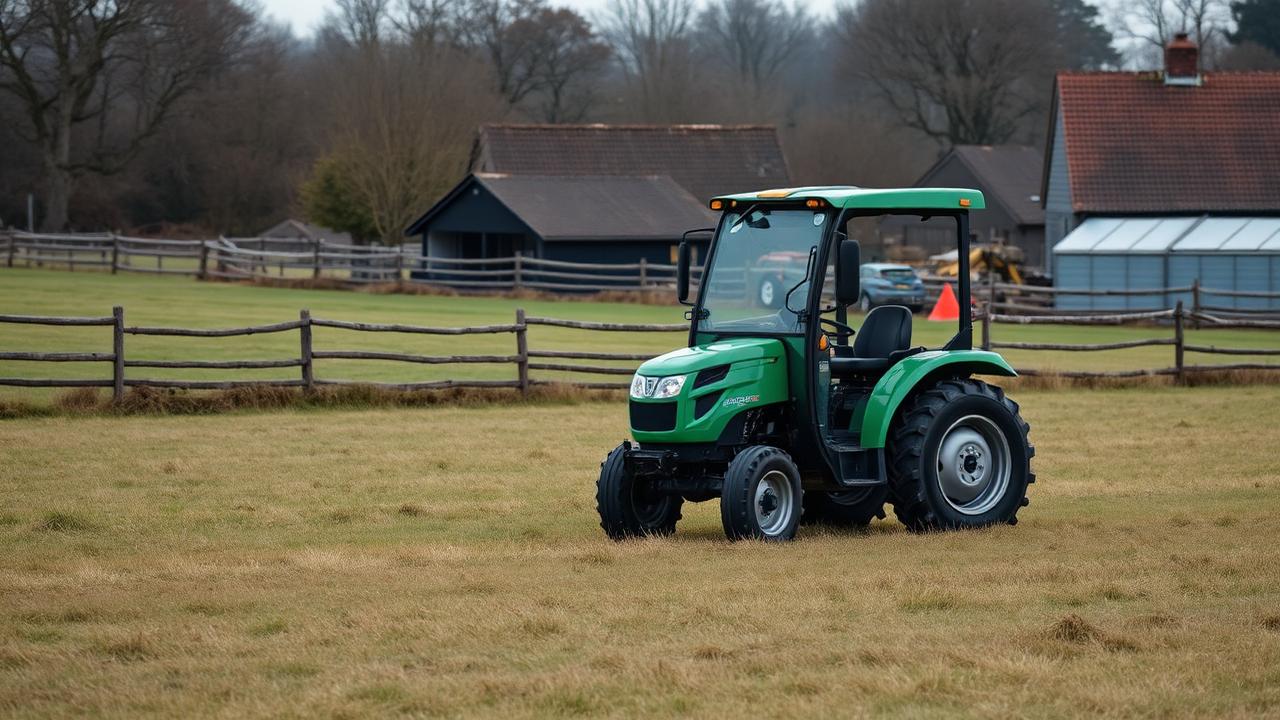
Groundcare, estate work, horticulture and some livestock routines often have this characteristic.
Unpredictable emergency use or long days away from buildings are harder.
High-load work is the challenge
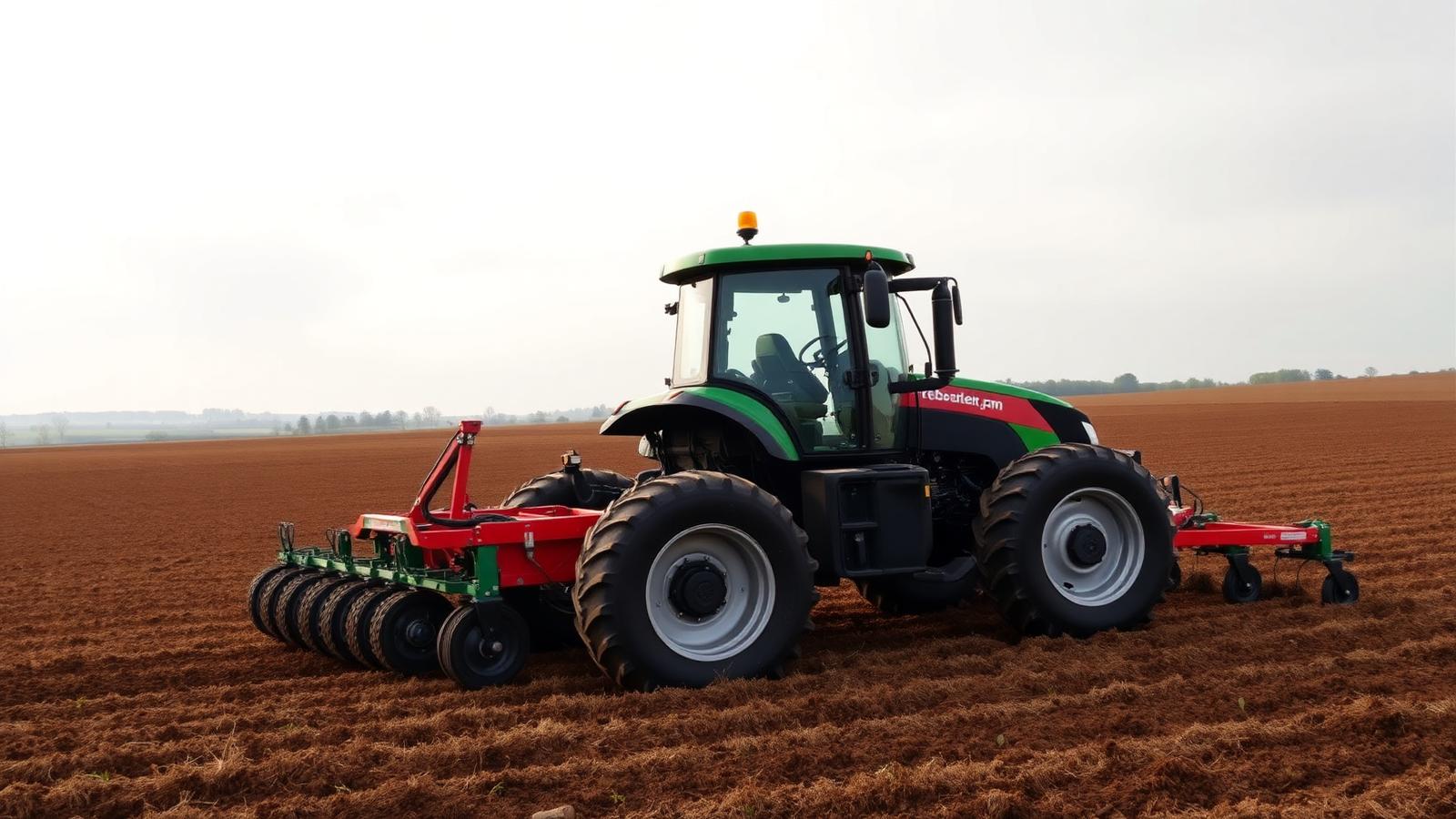
Heavy draft work can require sustained power.
A battery that is perfectly adequate for light work may empty much faster under cultivation.
This is not a flaw unique to a particular brand. It is a consequence of the amount of energy required by the task.
Research continues into larger batteries, higher charging rates and on-field energy replenishment because those are the barriers to electrifying heavier duties.
Charging can be invisible or disruptive
If the tractor charges while parked anyway, charging time may barely affect productivity.
If it must stop for charging during a narrow weather window, the impact can be significant.
This is why charging should be planned alongside operations.
See how to charge an electric tractor.
What about farm size?
Farm size alone is not a reliable guide.
A small farm may still require long tractor hours at certain times. A large estate might have a tractor dedicated to predictable grounds duties that are easy to electrify.
Look at the role of the individual machine.
Is range the right word?
“Range” is less useful for tractors than it is for cars.
Agricultural machinery can spend hours moving slowly while powering an implement. Distance travelled may be small even though energy use is high.
Working time and energy per task are more useful measures.
Can an electric tractor use existing implements?
Potentially.
Compatibility depends on linkage, PTO, hydraulics, electrical interfaces, tractor weight and power demand.
Even where an implement connects physically, it may consume more energy than the planned duty allows.
Read electric tractor PTO and implements.
What about winter?
Cold conditions can affect battery performance and increase heating demand.
A tractor that has plenty of battery reserve in mild weather may have a smaller margin in winter.
Good thermal management can reduce the impact, but seasonal conditions should be included in the plan.
Maintenance practicality
Electric powertrains can simplify routine maintenance.
That is helpful only if trained support is available when something more specialised goes wrong.
Dealer distance, parts availability and diagnostic capability are therefore practical considerations.
A technically impressive machine with weak support can still be a poor farm purchase.
Practical in enclosed or sensitive settings
No tailpipe exhaust and lower noise can be particularly valuable in:
- livestock buildings;
- glasshouses;
- equestrian yards;
- parks;
- estates;
- municipal grounds;
- residential-adjacent sites.
Those benefits can justify electrification even when pure energy cost savings are modest.
How to test practicality before buying
Create a one-week duty record for the existing tractor.
Write down:
- hours worked;
- tasks;
- implements;
- fuel used;
- road travel;
- breaks;
- parking location;
- peak seasonal variations.
Then ask a supplier to demonstrate how the electric machine would complete that schedule.
A real on-site demonstration is more valuable than a brochure figure.
Consider the worst important day
Do not size the purchase only around an average quiet day.
Ask what happens on the busiest important day when the machine has to work.
If the electric tractor cannot cover that day, decide whether there is an acceptable workaround such as mid-day charging, another tractor or a different task allocation.
Practicality can improve without the tractor changing
Sometimes the constraint is infrastructure rather than the machine.
A better charger, load management, different shift pattern or moving one task to another tractor may make the electric machine more useful.
Does rebated fuel change the groundcare comparison?
It can, and it is worth checking carefully before assuming an electric machine saves money on this kind of work.
Agricultural vehicles may use rebated fuel for cutting verges and hedges that border a road, for snow clearance, for gritting and for flood clear-up, including travelling to and from that work. That entitlement has applied since 1 April 2022 and is set out in HMRC Excise Notice 75.
Most landscaping activities were explicitly excluded when the rules changed, though a limited set of grounds maintenance operations retained an entitlement, including work on golf courses and land maintained by a community amateur sports club.
The rules are specific about who is doing the work and where. A contractor and a landowner doing an identical job may not have the same entitlement. Check the current position in Excise Notice 75 on GOV.UK rather than assuming, because the fuel cost you are comparing against depends on it.
The current position
Battery-electric tractors are already practical for selected duties and research shows credible economic potential under suitable conditions.
They are not yet the obvious answer for every high-energy agricultural operation.
That should not be seen as failure. Machinery has always been selected by job.
The sensible approach is to identify the duties electrification can handle well now and expand only when the technology and business case support it.