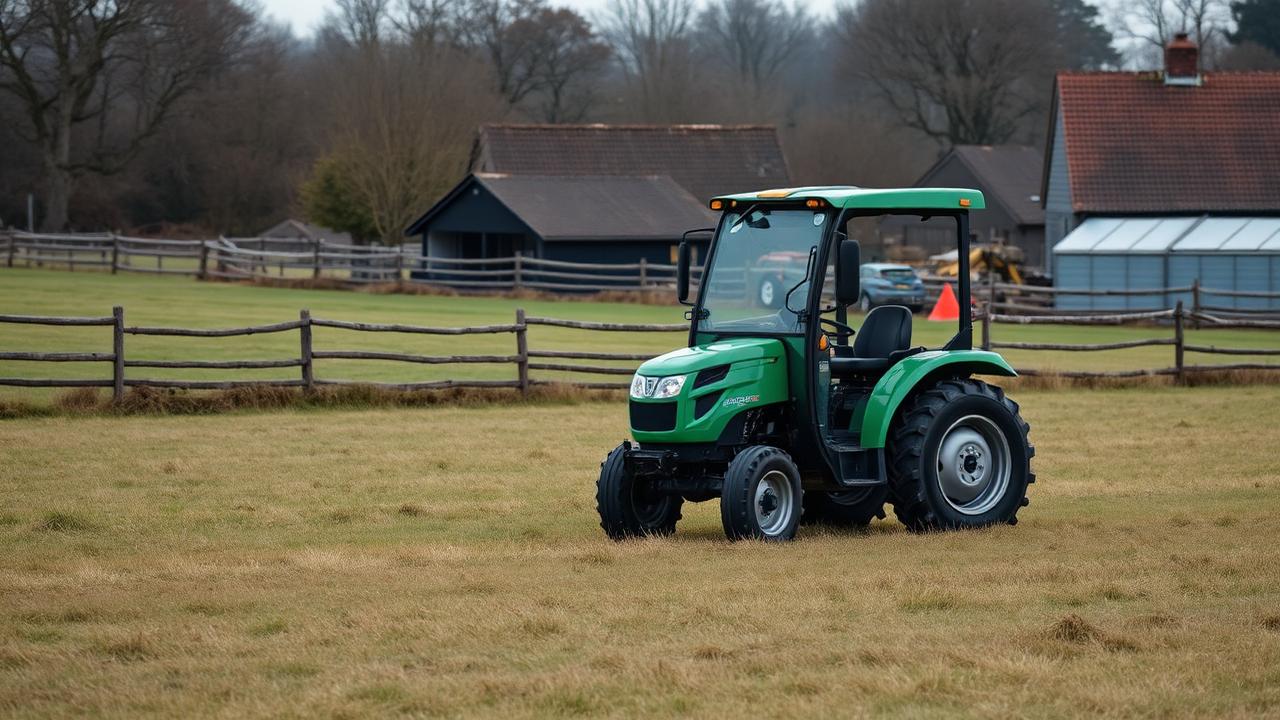
Electric tractors currently work best in duties that are predictable, reasonably close to charging and not dominated by continuous high-load operation. Their strongest use cases often include smallholdings, horticulture, orchards, vineyards, estates, equestrian yards, groundcare and selected livestock or municipal work.
That does not mean those sectors are automatically suitable. It means their operating patterns can align well with current battery technology.
The ideal electric duty cycle
A favourable duty typically has:
- known daily hours;
- regular return to base;
- natural charging windows;
- moderate average power demand;
- repeated stop-start operation;
- limited long-distance road work;
- value from lower noise or no local exhaust.
The more of those characteristics a job has, the easier electrification becomes.
Yard work
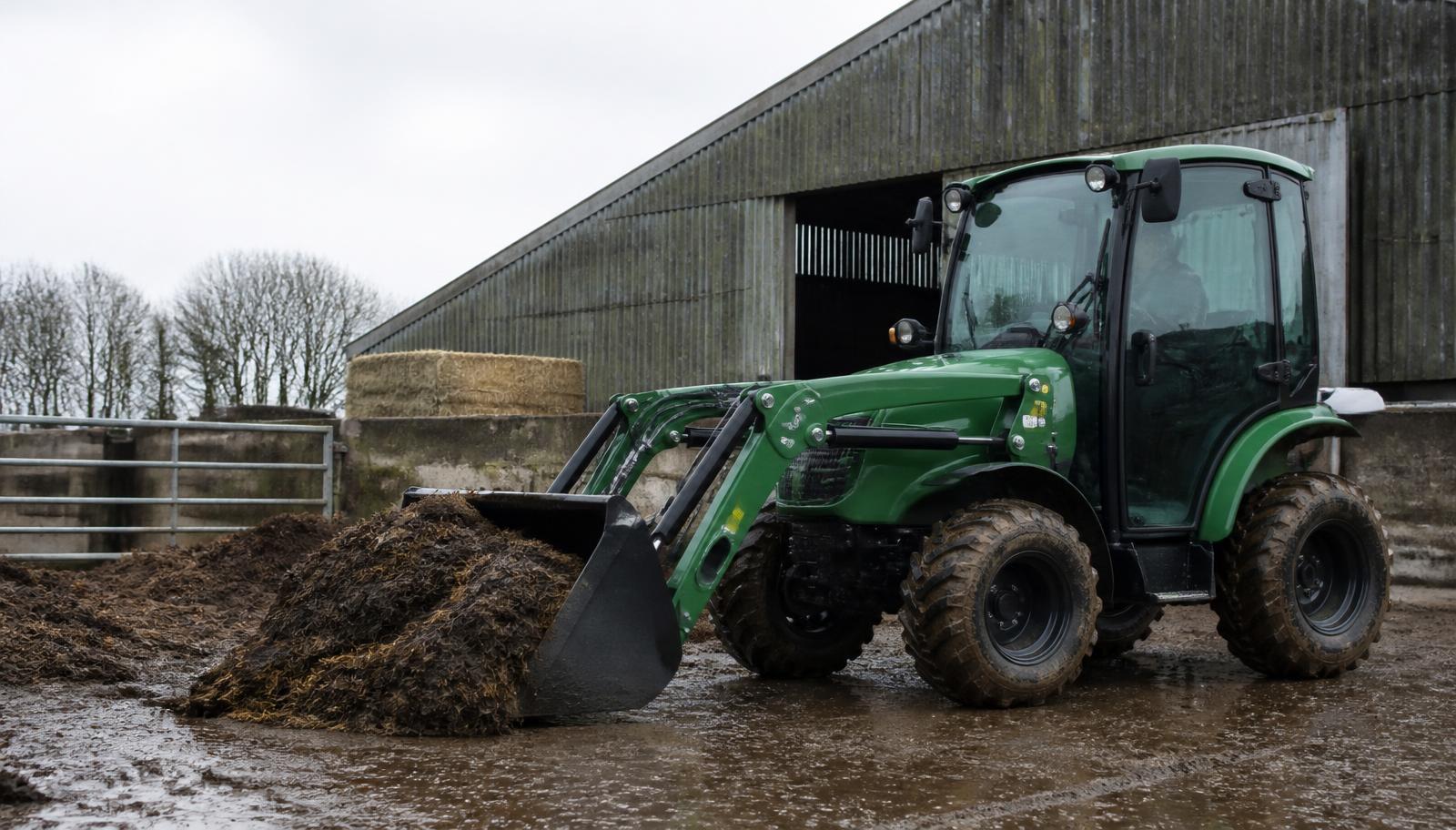
Farmyard and depot work can be an excellent fit.
The tractor may move trailers, handle materials, use a loader and carry out short journeys.
It remains close to charging and spends periods at low load or stopped.
Electric motors can respond efficiently to this intermittent pattern.
Livestock buildings
No tailpipe exhaust can improve the immediate working environment inside or around buildings.
Lower noise may also be useful.
The tractor still produces tyre and hydraulic noise, and normal ventilation remains important for other farm emissions and dust.
Smallholdings
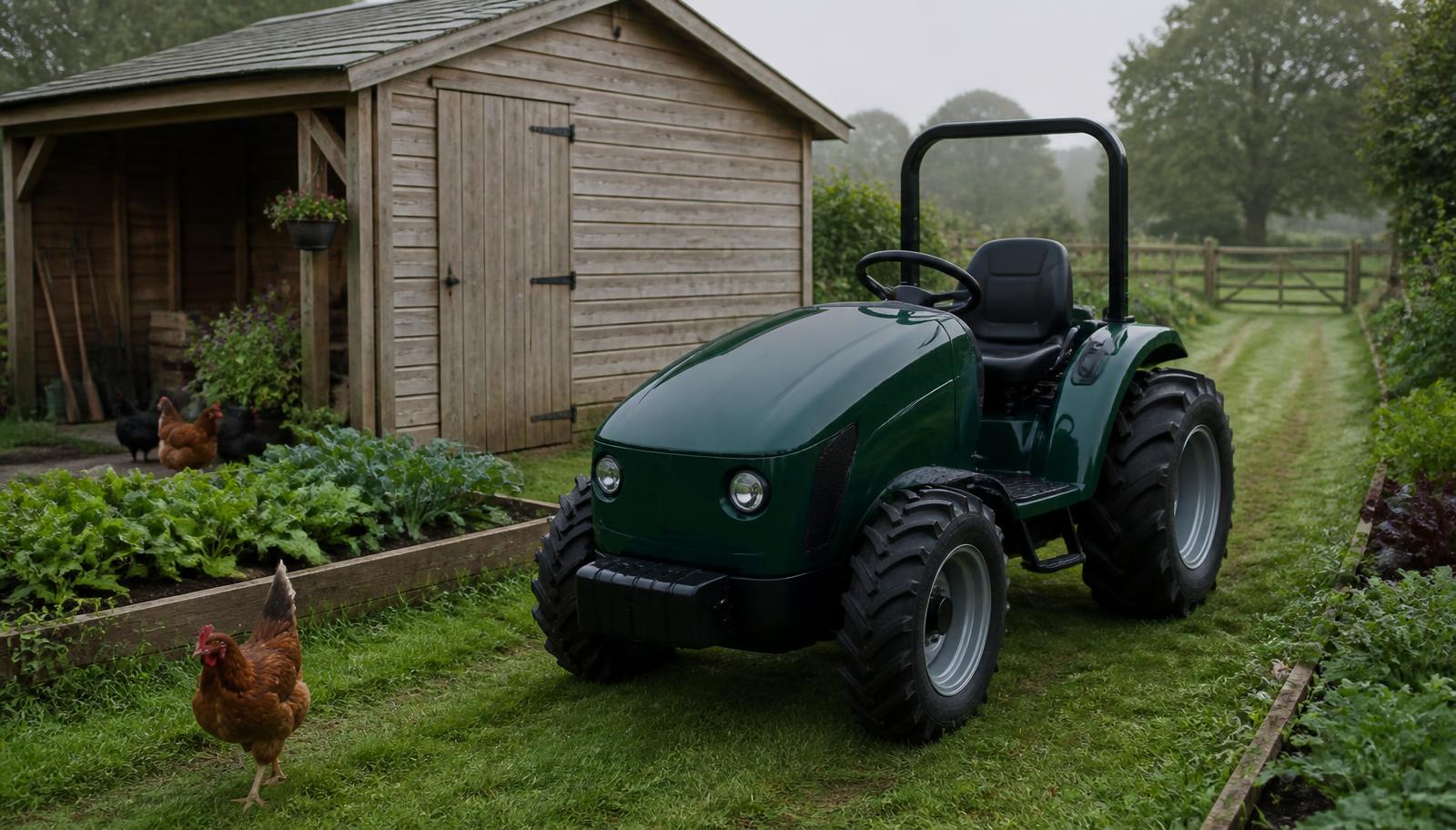
Compact tractors on smallholdings often perform mixed local work and return to the same shed.
That provides a simple charging routine.
Read our electric tractors for smallholdings guide.
Orchards and vineyards
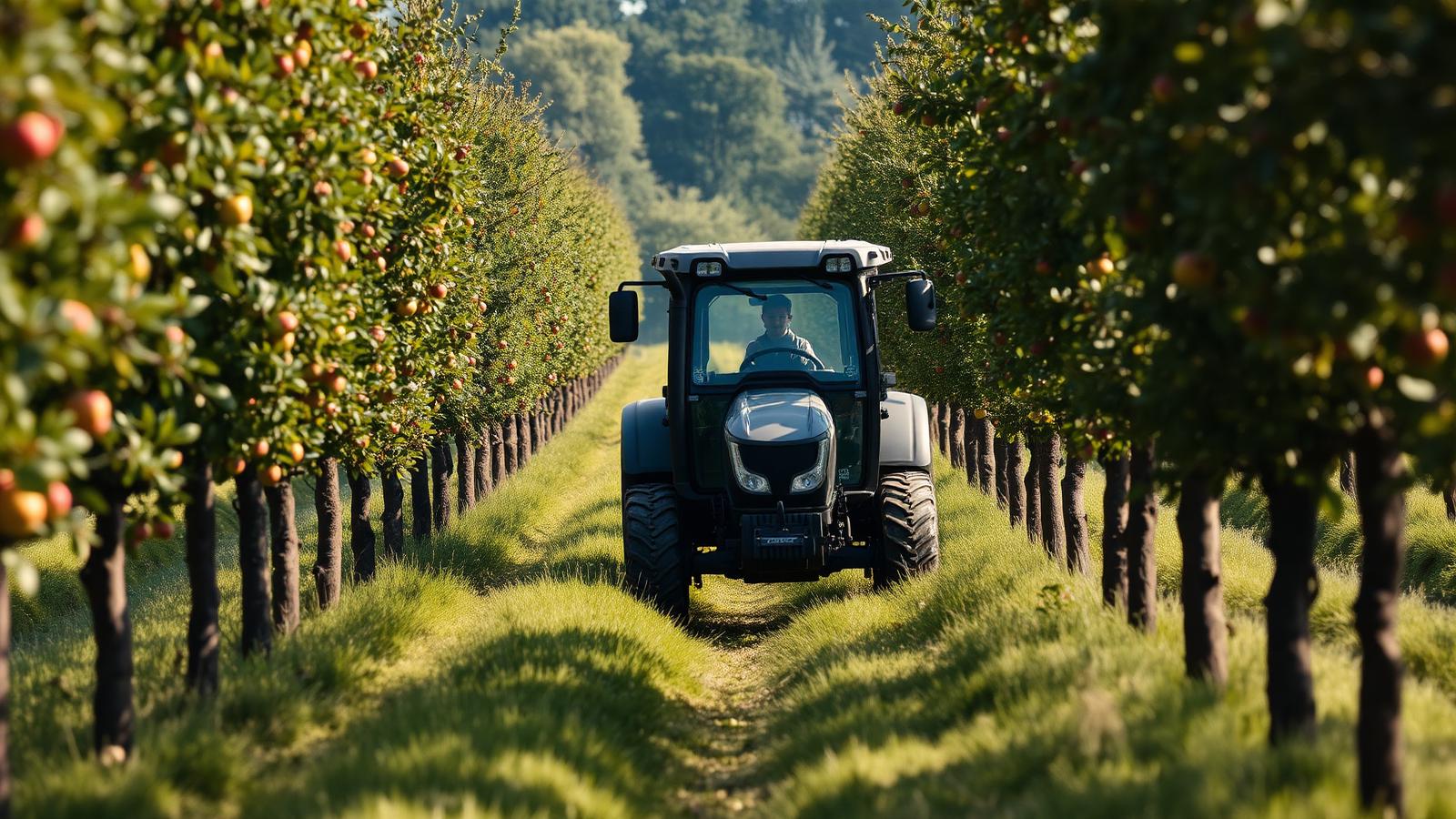
Specialist crop work often involves low-speed repeated passes.
Noise and exhaust can matter around workers and covered crops.
Narrow dimensions and implement compatibility remain critical. See electric tractors for orchards and vineyards.
Estates and equestrian
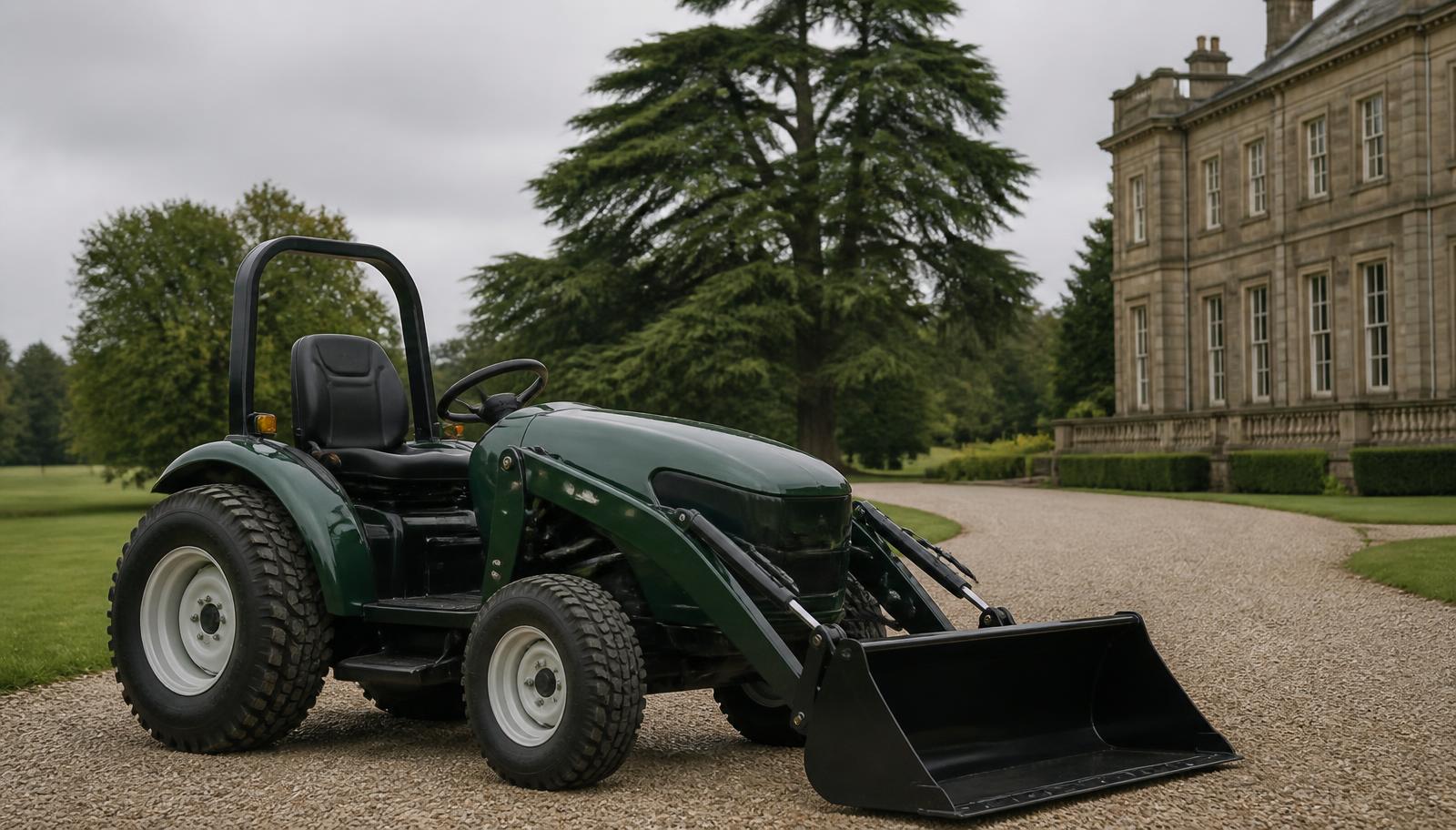
Grounds tasks, trailer work and yard duties can suit battery-electric tractors well.
These operations may also place a higher value on quiet machinery around guests, residents or animals.
Read electric tractors for estates, equestrian sites and groundcare.
Municipal and park work
Parks, paths, road verges and public spaces can benefit from reduced powertrain noise and no local exhaust.
Municipal fleets may also have central depots that simplify charging.
The business case will depend on utilisation and procurement policy.
Greenhouses and covered crops
Removing diesel exhaust from enclosed growing environments is a clear operational benefit.
Compact dimensions, tyre choice and specialist crop requirements still determine suitability.
Mowing
Mowing can be a good fit when daily hours and battery capacity align.
It can also be energy-intensive because the implement may run continuously.
Always assess runtime with the mower operating, not just the tractor driving.
Light transport
Short trailer movements and site transport can work well.
Long road journeys with heavy trailers are more demanding.
Read electric tractors for towing.
Where electric tractors are currently less comfortable
The hardest applications tend to involve:
- very long continuous shifts;
- sustained heavy draft work;
- high PTO load for many hours;
- remote fields with no charging;
- narrow seasonal windows where stopping is costly;
- a need for rapid refuelling multiple times a day.
Diesel's energy density and quick refuelling remain major advantages in these conditions.
Can fast charging change the picture?
Yes, but only if the tractor supports it and the site can provide the power.
A tractor that needs a mid-day energy top-up may become practical with a well-designed charger.
Infrastructure cost and grid capacity then become part of the machinery decision.
What about on-field charging?
Research is exploring mobile charging, battery exchange and other ways to replenish electric agricultural machinery in the field.
These approaches could expand the range of practical applications.
For most buyers today, fixed charging at the farm remains the simplest model.
The importance of utilisation
A tractor used many hours each year can accumulate more energy and maintenance savings.
A lightly used machine has fewer operating hours over which to recover a higher purchase price.
This means the “best use” is both technical and financial.
Start with one role
A farm does not need to electrify every tractor at once.
One sensible strategy is to identify the tractor with the most predictable, local duty and assess that role first.
That can build real operating data without placing the most time-critical field operation at risk.
The best electric tractor job
The best application is one where the tractor can complete its work comfortably, charge without disrupting operations and deliver benefits the business actually values.
That sounds less dramatic than declaring electric tractors ready for everything.
It is also a much better way to make a machinery decision.