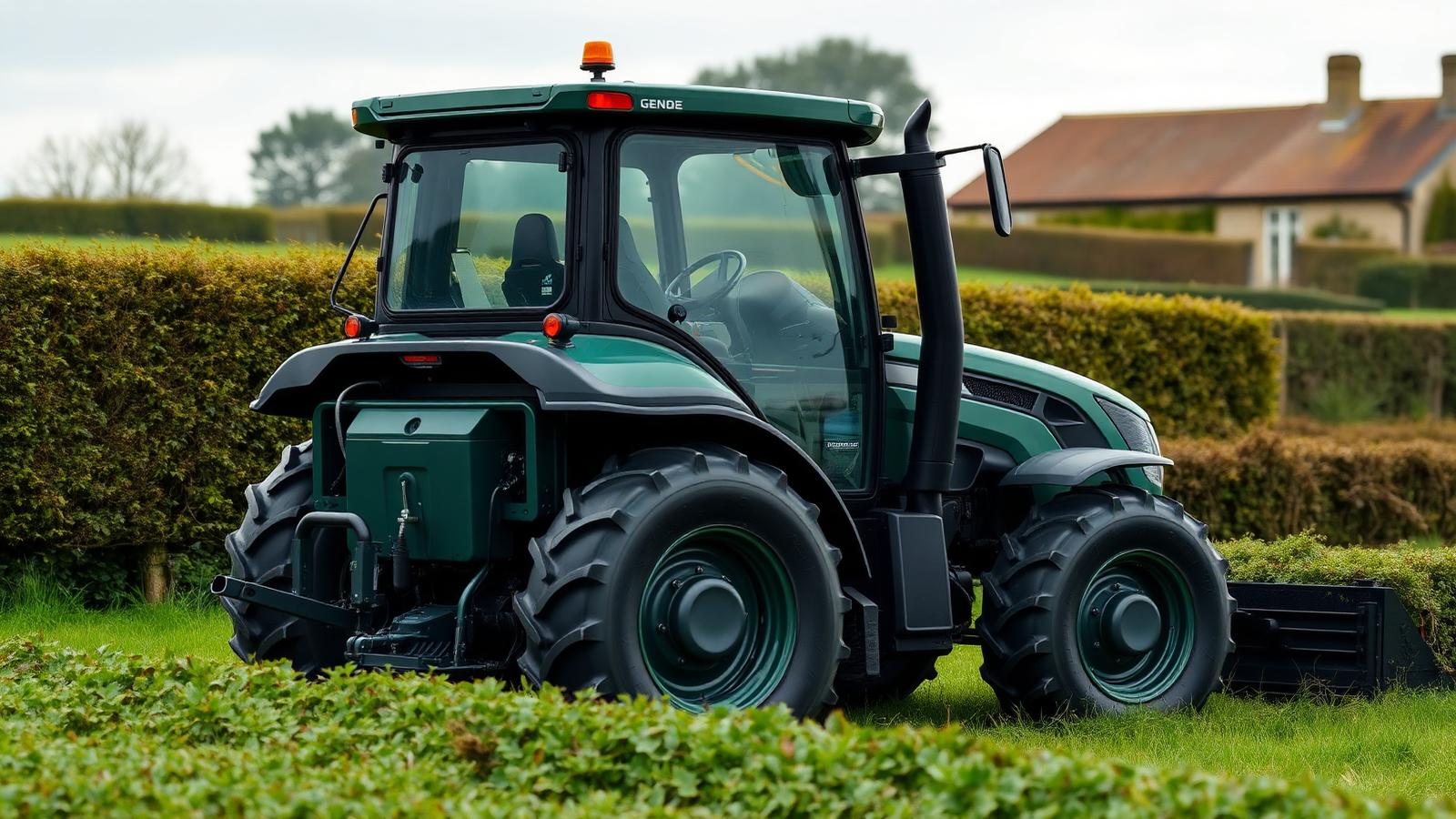
Electric tractors replace some or all of the diesel powertrain with electric motors and an onboard energy source, most commonly a rechargeable battery. The idea is simple, but the practical result depends heavily on the job. A tractor used for short, predictable work near a yard has very different energy needs from a machine expected to cultivate heavy land for a long day.
For UK buyers, the useful question is therefore not whether electric tractors are “the future”. It is whether the current technology fits a particular duty cycle, charging setup and budget.
What is an electric tractor?
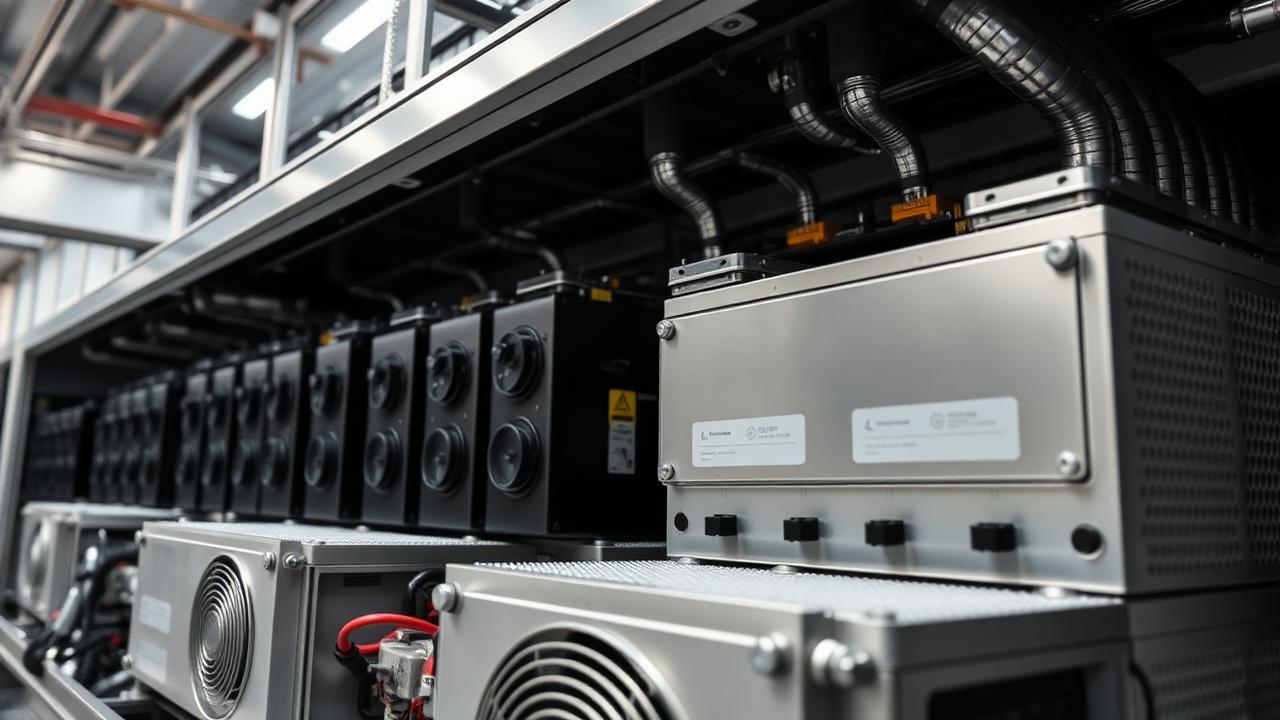
A battery-electric tractor stores electricity in a traction battery and uses one or more electric motors to provide propulsion and, depending on the design, power for other tractor functions. The exact architecture varies. Some machines retain familiar mechanical or hydraulic systems, while others electrify more of the drivetrain and auxiliaries.
Electric motors can deliver strong torque from low speed and can be controlled precisely. That makes them technically attractive for tractor work, where low-speed control and repeated changes in load matter. Research into agricultural electrification also highlights efficiency, torque control and lower noise as recurring advantages.
A battery-electric tractor produces no exhaust at the point of use. That can be valuable in enclosed or sensitive settings such as glasshouses, livestock buildings, municipal work, estates and some horticultural operations. It does not mean the machine has zero environmental impact overall. Battery manufacture, electricity generation, transport and the rest of the vehicle lifecycle still matter.
Where do electric tractors make the most sense?
The best early use cases tend to have one or more of the following characteristics:
- predictable daily hours;
- regular access to a charging point;
- lower or medium energy demand;
- repeated stop-start operation;
- work close to buildings or people;
- access to low-cost electricity or on-site generation;
- a benefit from quieter operation or no local exhaust.
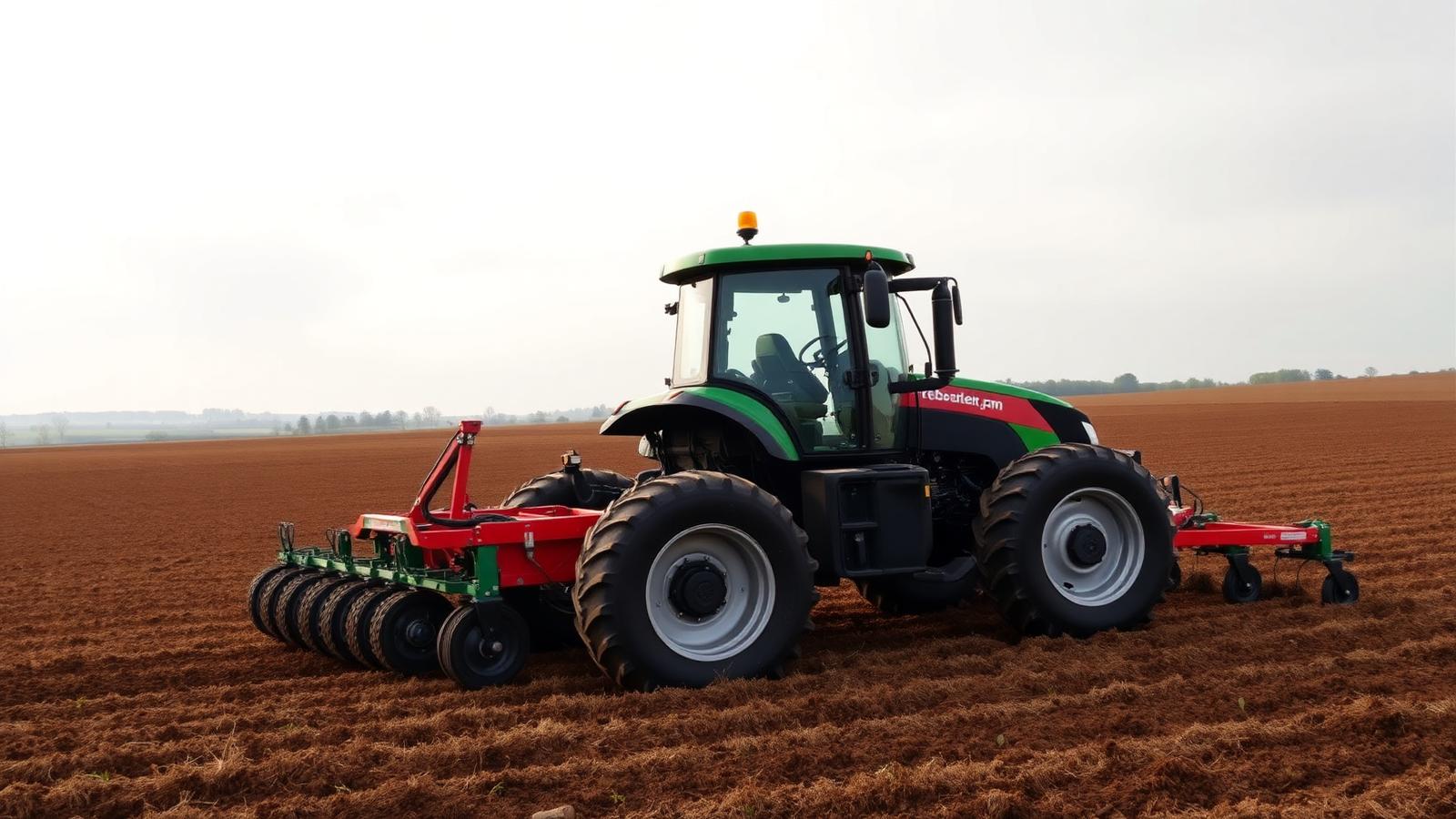
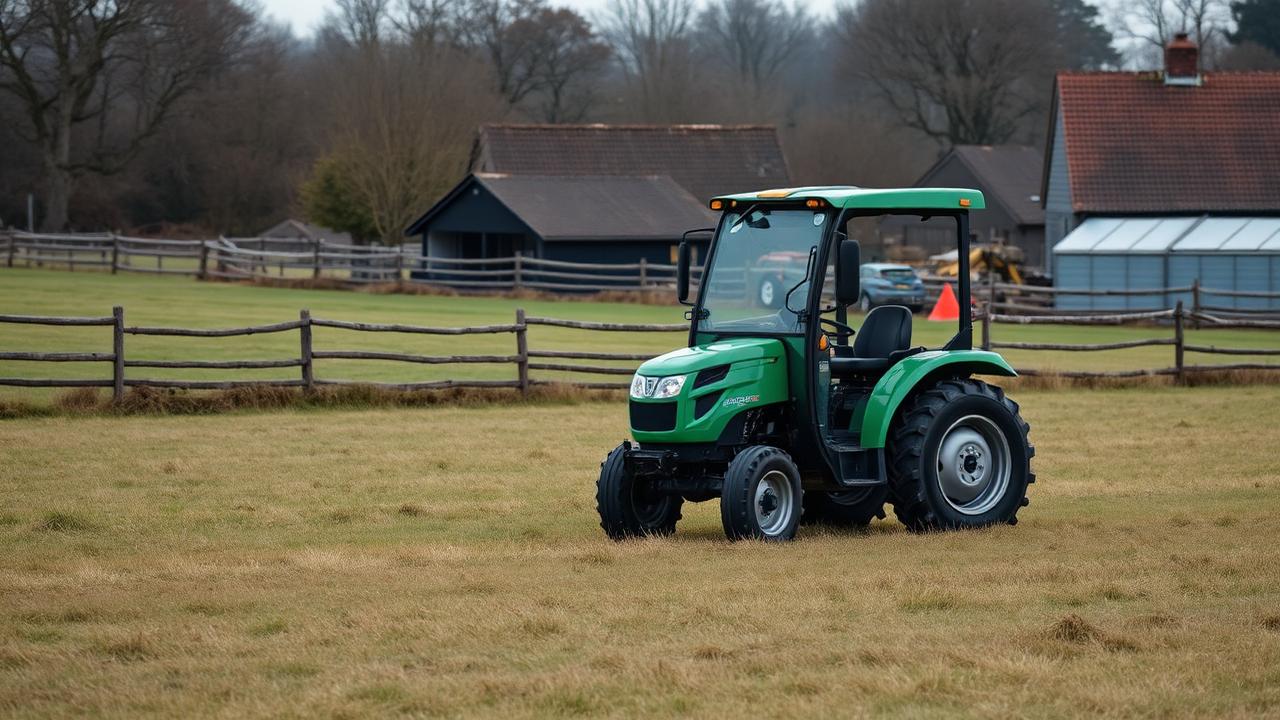
Small farms, horticulture, orchards, vineyards, estates, grounds maintenance and some livestock operations can therefore be easier matches than continuous heavy cultivation.
That is not a hard rule. Battery capacity, power and charging speeds continue to improve, and different machines are designed for different duties. The important point is to match the tractor to the work rather than assuming one electric machine can replace every diesel tractor hour for hour.
How are electric tractors charged?
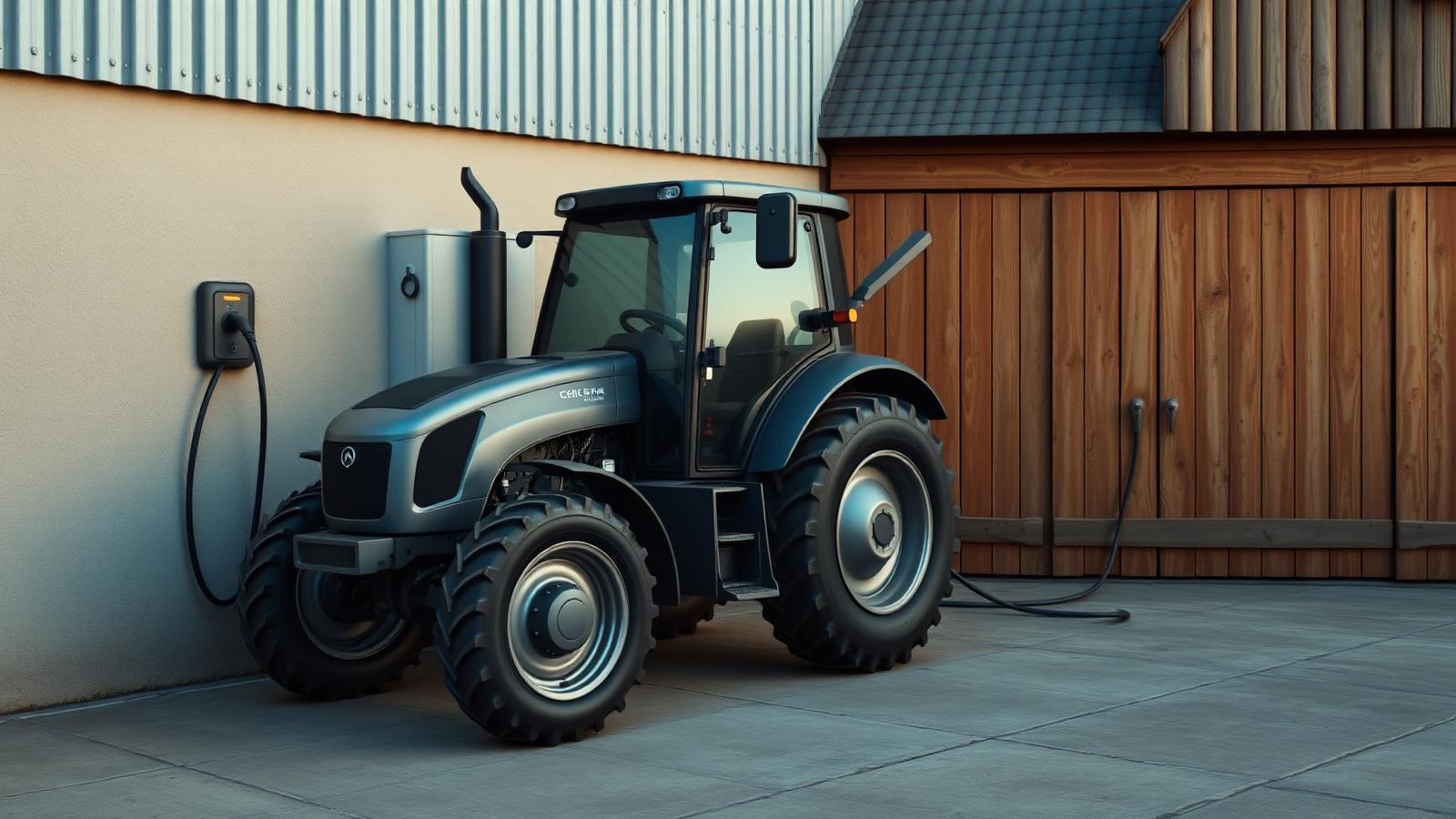
Charging depends on the tractor and its onboard charging system. Some machines use AC charging that can fit around overnight or between-shift charging. Higher-power machines may support faster DC charging, but that can require more capable electrical infrastructure.
The farm supply matters just as much as the tractor. A charging point cannot deliver more power than the site can safely provide. Before buying, owners should understand their available electrical capacity, where the tractor will park, how long it can remain connected and whether other high-load equipment operates at the same time.
Read our electric tractor charging guide before planning a charger.
How long can an electric tractor work?
There is no useful universal runtime figure. Battery size is only one part of the equation. Energy use changes with the task, soil, terrain, speed, implement, hydraulics, PTO load, weather and operator behaviour.
A light transport or mowing task may demand much less energy than cultivation. Heating or cooling the cab can also use energy. That is why a manufacturer's quoted operating time should always be read in the context of the test or duty on which it is based.
Our guide to electric tractor operating time explains what changes runtime.
What does an electric tractor cost to run?
Electric motors are highly efficient, and battery-electric machines avoid some of the routine service items associated with diesel engines. There is no engine oil change, diesel fuel system or exhaust after-treatment system in a pure battery-electric powertrain.
That can reduce some running and maintenance costs, but it does not make the tractor maintenance-free. Tyres, brakes, bearings, hydraulics, cooling systems, cab systems, implements and other mechanical components still need attention.
Electricity cost also varies. Farms with favourable tariffs or their own generation may have a different cost case from sites paying expensive peak-rate electricity. Upfront purchase price and charging infrastructure can be significant.
For a fuller breakdown, see electric tractor running costs and electric tractor costs in the UK.
What are the main benefits?
Potential benefits include quieter operation, no tailpipe exhaust during battery-electric use, strong low-speed torque, efficient energy conversion and fewer routine engine-related service items.
Quietness can be more than a comfort feature. It may extend usable working windows in noise-sensitive environments and make communication easier around the machine. No local exhaust can be useful in enclosed spaces, although normal ventilation and machinery safety requirements still apply.
There is also an energy-management opportunity for farms that generate electricity. Solar generation and battery storage can potentially form part of a wider farm energy system, although the timing and economics need to be assessed properly.
What are the main drawbacks?
The main challenges are still practical and economic. Battery packs add cost and weight. Long, high-load days can require more stored energy than light work. Charging infrastructure can involve additional expense. Battery degradation and replacement cost are long-term considerations, and the used market is less mature than it is for diesel machinery.
A 2026 systematic literature review of battery-electric tractor economics, published by Kozak and Bonev in Applied Energy, found that battery-electric tractors can be economically competitive under specific conditions, and that high upfront costs remain the main barrier despite lower operating expenses. The review also found that farmers’ adoption decisions are driven mainly by economic considerations, with environmental and behavioural motives playing a secondary role.
That makes total cost of ownership more important than simply comparing fuel with electricity.
Should a UK buyer consider one now?
Yes, if the work suits the technology. No, if the use case requires capabilities that the available machine and charging setup cannot reliably deliver.
Start by writing down the tractor's real jobs, hours, peak loads, time away from the yard and charging opportunities. Then compare those requirements with the specification and support available for any machine being considered.
Electric tractors should be treated as working equipment, not as an environmental statement. The strongest purchase case is where the machine performs the required work reliably and the economics make sense.