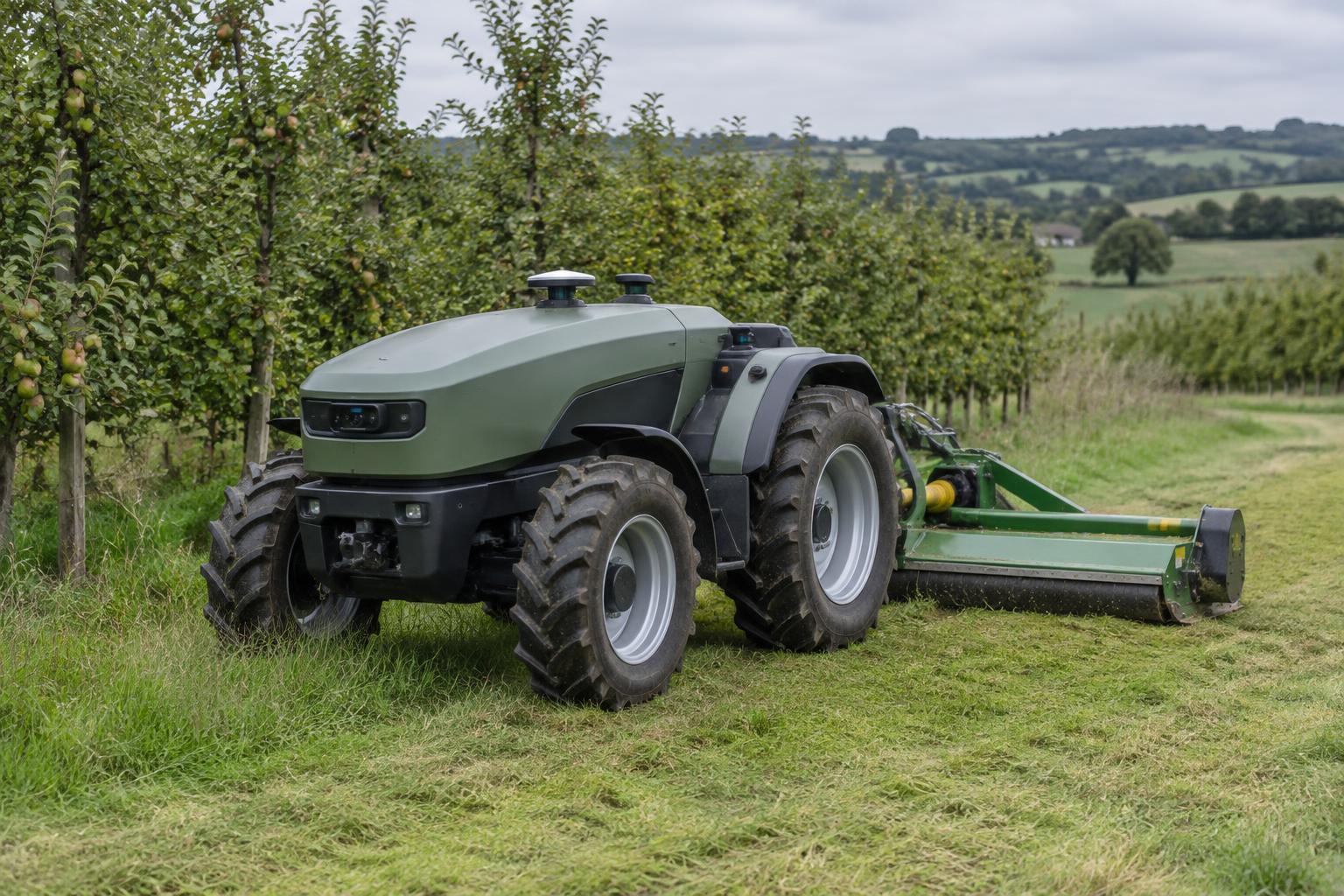
The future of electric tractors is unlikely to be a simple story of every diesel tractor being replaced by the same machine with a battery. Electrification gives designers more freedom to rethink drivetrains, implements, energy supply and even the way machinery is scheduled.
The near-term market is likely to grow first where current battery technology already fits the work, while heavier duties improve as energy storage and charging develop.
Better batteries
Battery research continues to improve energy density, cycle life, safety, charging performance and cost.
Even incremental improvements matter in tractors.
More energy stored in the same mass can increase runtime. Longer cycle life can improve total cost of ownership. Better low-temperature performance can make winter operation easier.
The timing of specific battery breakthroughs is difficult to predict, so buyers should be cautious about delaying a viable project for a promised future chemistry.
Faster charging
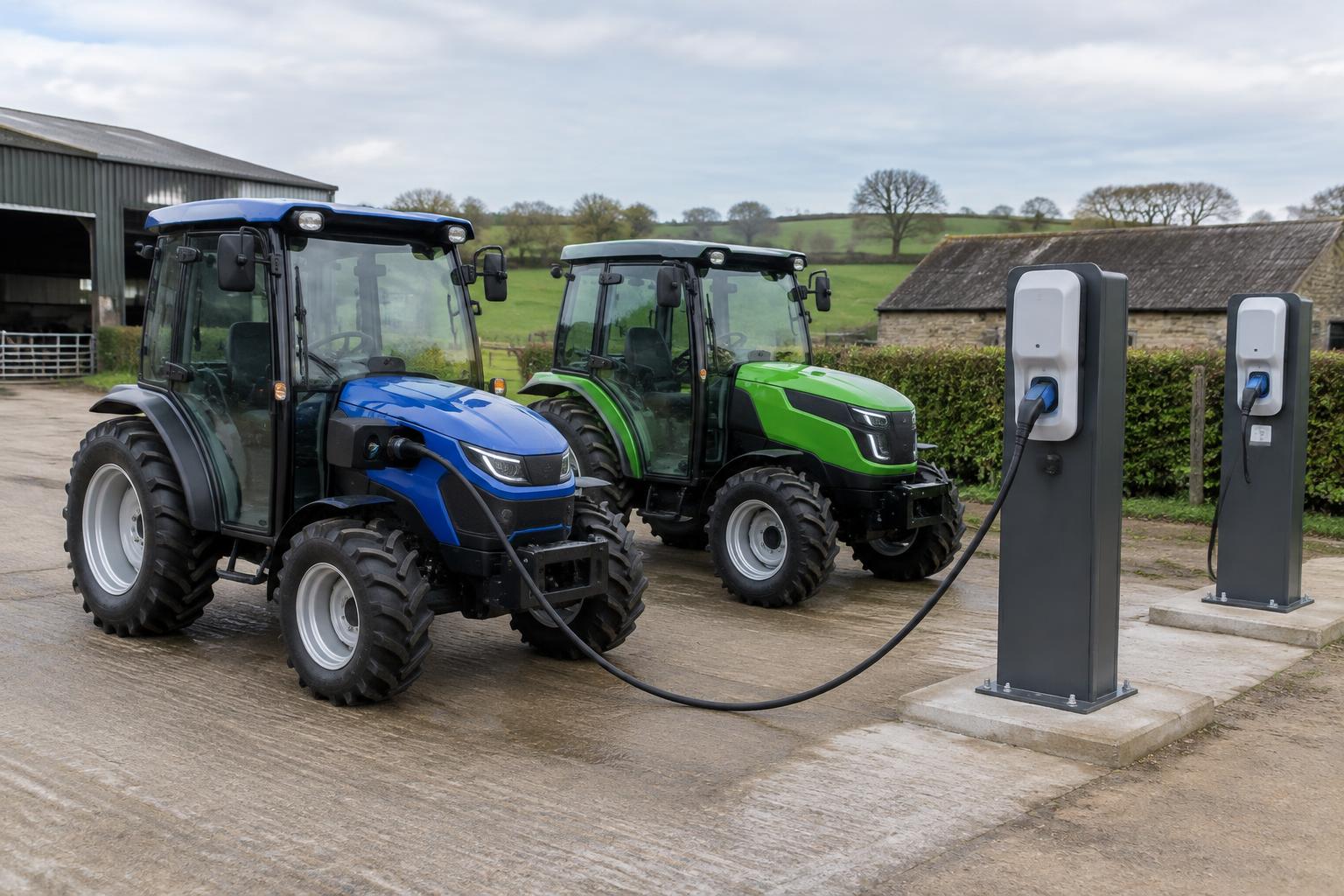
Higher charging power can reduce downtime.
The limiting factor will not only be the tractor. Farms need enough electrical capacity to supply fast chargers.
That means future machinery adoption and rural electrical infrastructure are connected.
Smart charging and local energy storage may be as important as the charger itself.
Battery swapping
For work that cannot pause, removable or swappable batteries could provide another route.
Instead of waiting for a battery to charge, a depleted pack is exchanged for a charged one.
The challenge is the size, weight, cost and standardisation of agricultural batteries.
Research into on-field energy replenishment shows why the idea remains interesting for high-utilisation machinery.
Electric implements
A traditional tractor mechanically or hydraulically distributes power to implements.
Electrification can allow more functions to have their own controlled electric drives.
Potential benefits include:
- precise speed control;
- less hydraulic loss;
- independent implement sections;
- better automation;
- energy use only when needed.
Standards and compatibility will matter if these systems are to work across manufacturers.
Smaller autonomous machines
One possible future is fewer very large tractors and more smaller autonomous or semi-autonomous machines.
A smaller vehicle requires less battery energy, can work for longer periods at lower power and may reduce soil compaction.
Autonomy creates its own safety, reliability and regulatory questions, but electrification and automation can complement one another.
Farm energy systems
Electric tractors turn part of the farm's fuel demand into electricity demand.
That can connect machinery decisions with:
- solar;
- wind;
- stationary batteries;
- electricity tariffs;
- grid capacity;
- energy-management software.
A farm may eventually schedule machinery charging in the same way it schedules other major loads.
Vehicle-to-grid or vehicle-to-farm
In theory, a large tractor battery could sometimes provide electricity back to a building or grid.
Whether this becomes practical depends on hardware, battery warranties, connection standards and economics.
A tractor purchased to work should not have its battery life compromised for a small energy-market return without a clear business case.
Which sectors electrify first?
The easiest sectors are likely to remain those with predictable local work:
- horticulture;
- vineyards;
- orchards;
- estates;
- municipal groundcare;
- livestock yards;
- smallholdings.
Heavy broadacre work presents a larger energy challenge, so adoption may be slower or use different solutions.
Hybrid systems
Hybrid tractors may act as a bridge in duties where batteries alone are difficult.
A hybrid can combine electrical control with an onboard fuel source.
That adds complexity but can reduce the need for very large batteries.
The market may therefore contain battery-electric, hybrid and renewable-fuel machines for a long time.
Hydrogen and other fuels
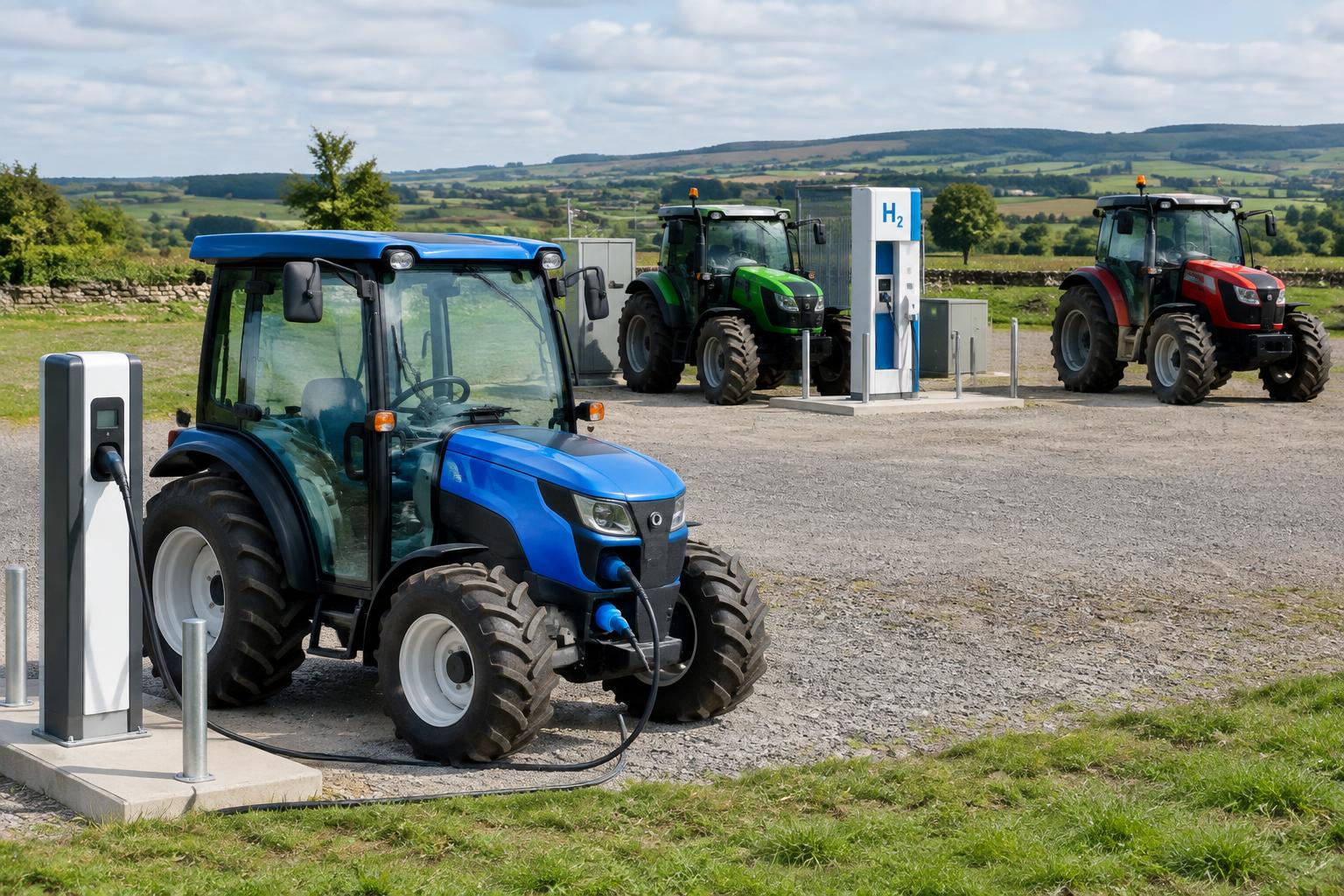
Hydrogen and renewable liquid fuels are also being explored for agricultural machinery.
Each pathway has infrastructure, efficiency, cost and storage trade-offs.
There may not be a single winner across every tractor size and duty.
See electric vs hydrogen and hybrid tractors when it publishes.
Software-defined machinery
Electric machines rely heavily on software.
Future tractors may improve through updates to energy management, charging, implement control and automation.
That makes long-term software support an increasingly important buying criterion.
Repairability and standards
As the market grows, owners will expect:
- diagnostic access;
- battery-health reporting;
- repairable components;
- charging standards;
- parts supply;
- skilled independent service.
A technology becomes mainstream when it is not only impressive when new but also easy to own at ten years old.
What changes for farmers?
The buying conversation will increasingly include kWh, charger power, state of health and site electrical capacity alongside hp, hydraulics and PTO.
That is a substantial shift.
The likely future
Electric tractors are unlikely to replace every diesel tractor at the same speed.
They are more likely to spread application by application.
As battery costs fall, infrastructure improves and real-world operating data grows, the economic case should become clearer.
The most useful approach is to watch the technology without waiting for perfection. Where electric machinery already fits the duty and economics, it can be used now. Where it does not, the market will keep moving.