Jobs & Applications
Electric Tractors, PTO and Implements
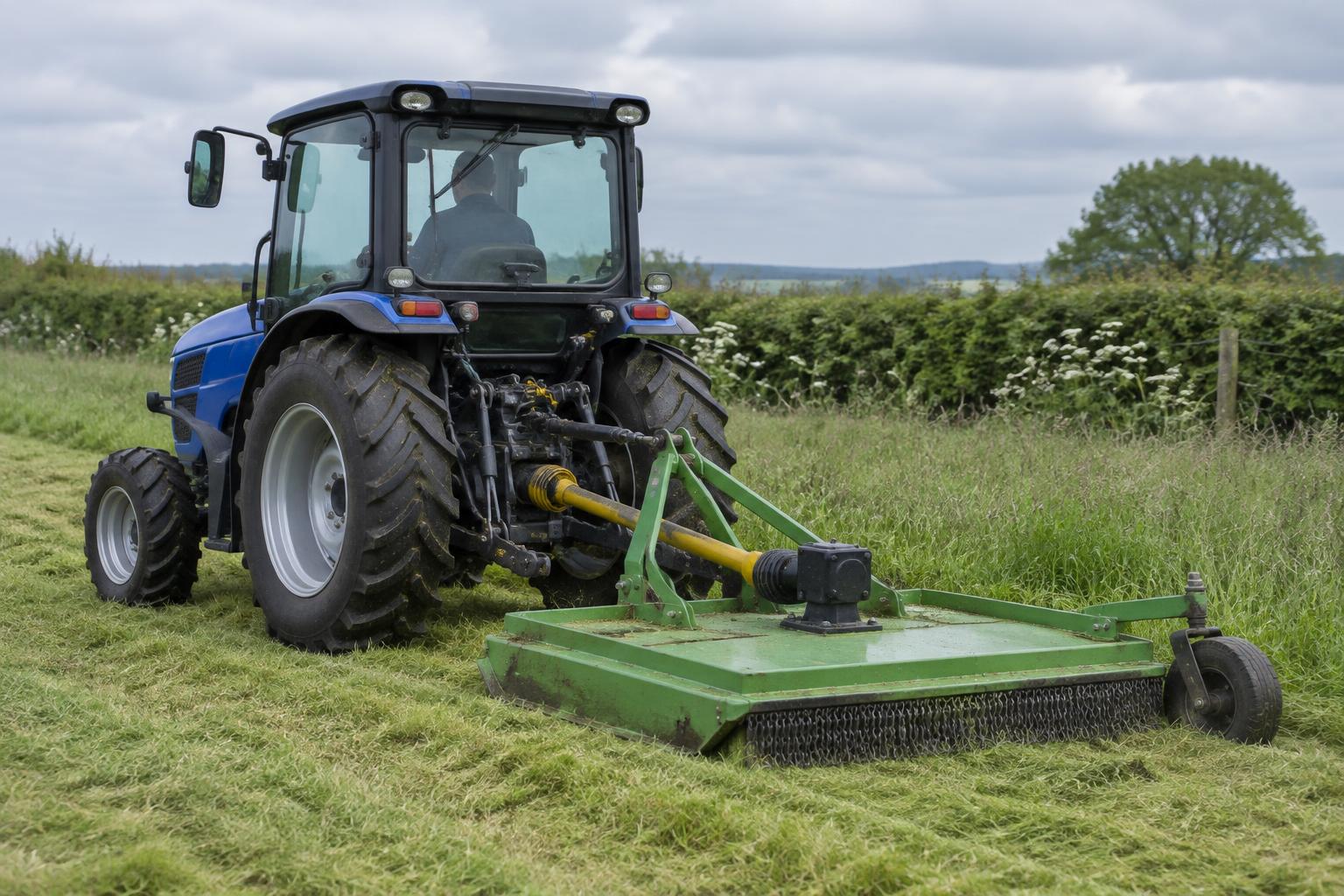
Many electric tractors can use familiar agricultural implements, but physical connection is only part of the compatibility question.
Read guideWhether an electric tractor suits you depends on the work, not on the technology. This section goes job by job.
It covers the mechanical questions first: whether existing implements will attach and, more importantly, whether the tractor can sustain the power they need for long enough. Physical compatibility is rarely the constraint. Continuous power draw usually is. Towing and hydraulic work get the same treatment, including why strong low-speed torque is not the same thing as towing capacity.
It then works through the settings where electric machines are most often considered. Smallholdings, orchards and vineyards, estates, equestrian yards and groundcare operations all share a useful characteristic: short repeated tasks from a fixed base, where the machine returns to the same building most nights. That pattern suits battery charging far better than long days far from a power supply.
Noise and the absence of local exhaust matter more in these settings too, whether that is around housed livestock, horses, staff working close to the machine, or members of the public.
Winter use gets its own guide, because gritting, snow clearance and wet ground each place demands on a battery that a summer demonstration will never show you.
Many electric tractors can use familiar agricultural implements, but physical connection is only part of the compatibility question.
Read guide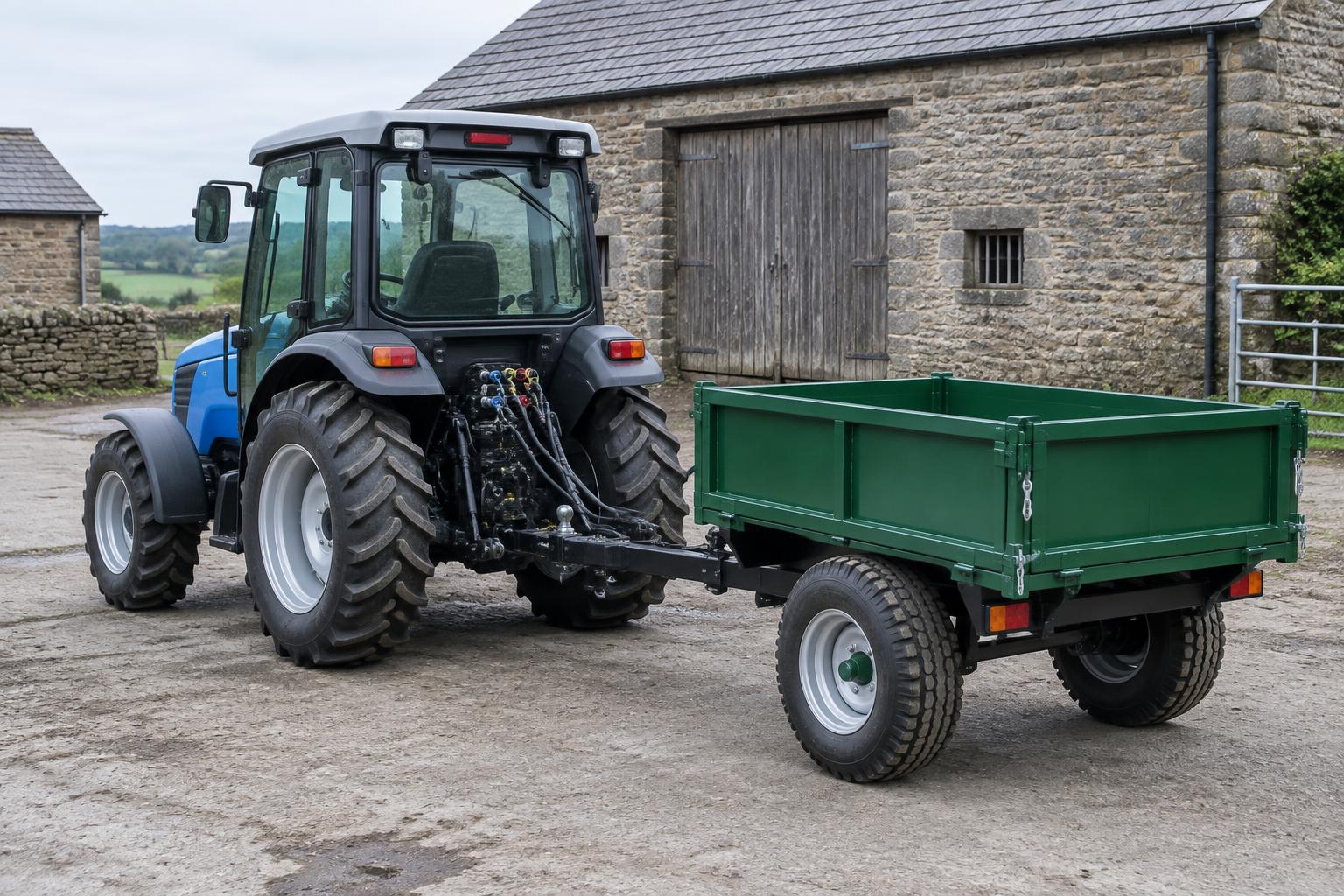
Electric motors can provide strong low-speed torque, but towing and hydraulic suitability depends on the complete tractor, not the motor alone.
Read guide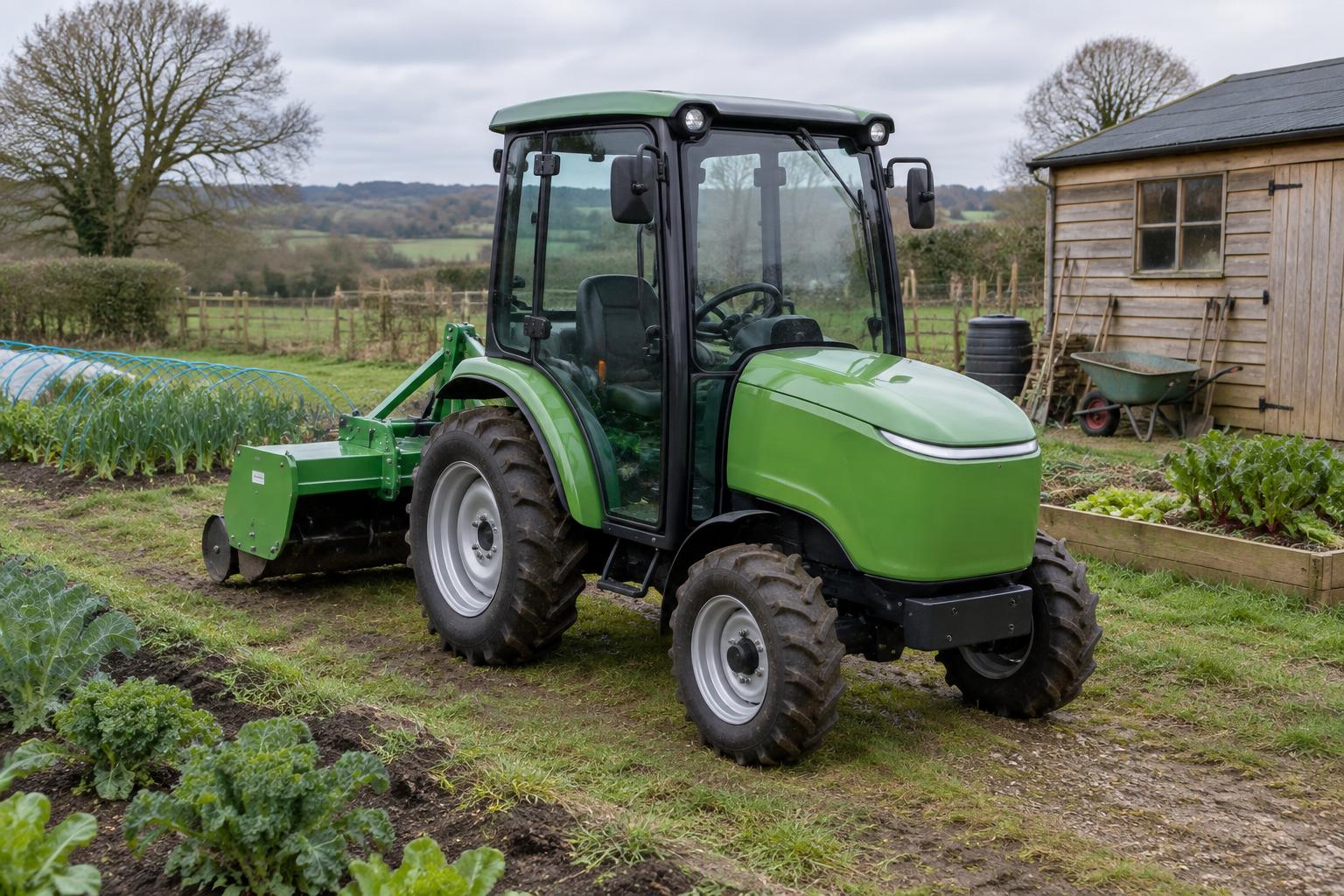
Smallholdings can be a natural fit for compact electric tractors because work is often varied, local and close to a regular parking and charging point.
Read guide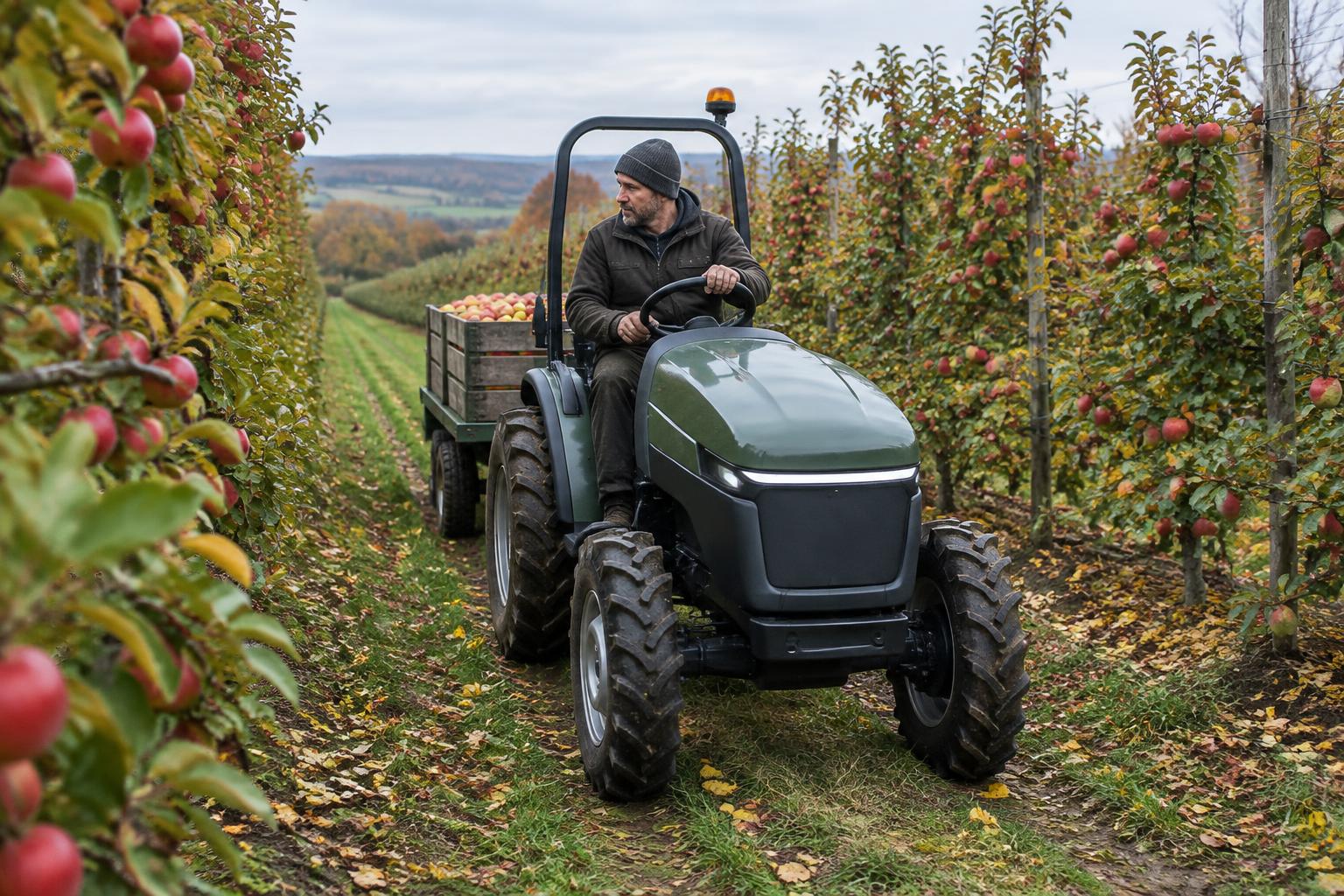
Orchards and vineyards are frequently discussed as promising electric-tractor applications because work can be local, repeatable and sensitive to noise and exhaust.
Read guide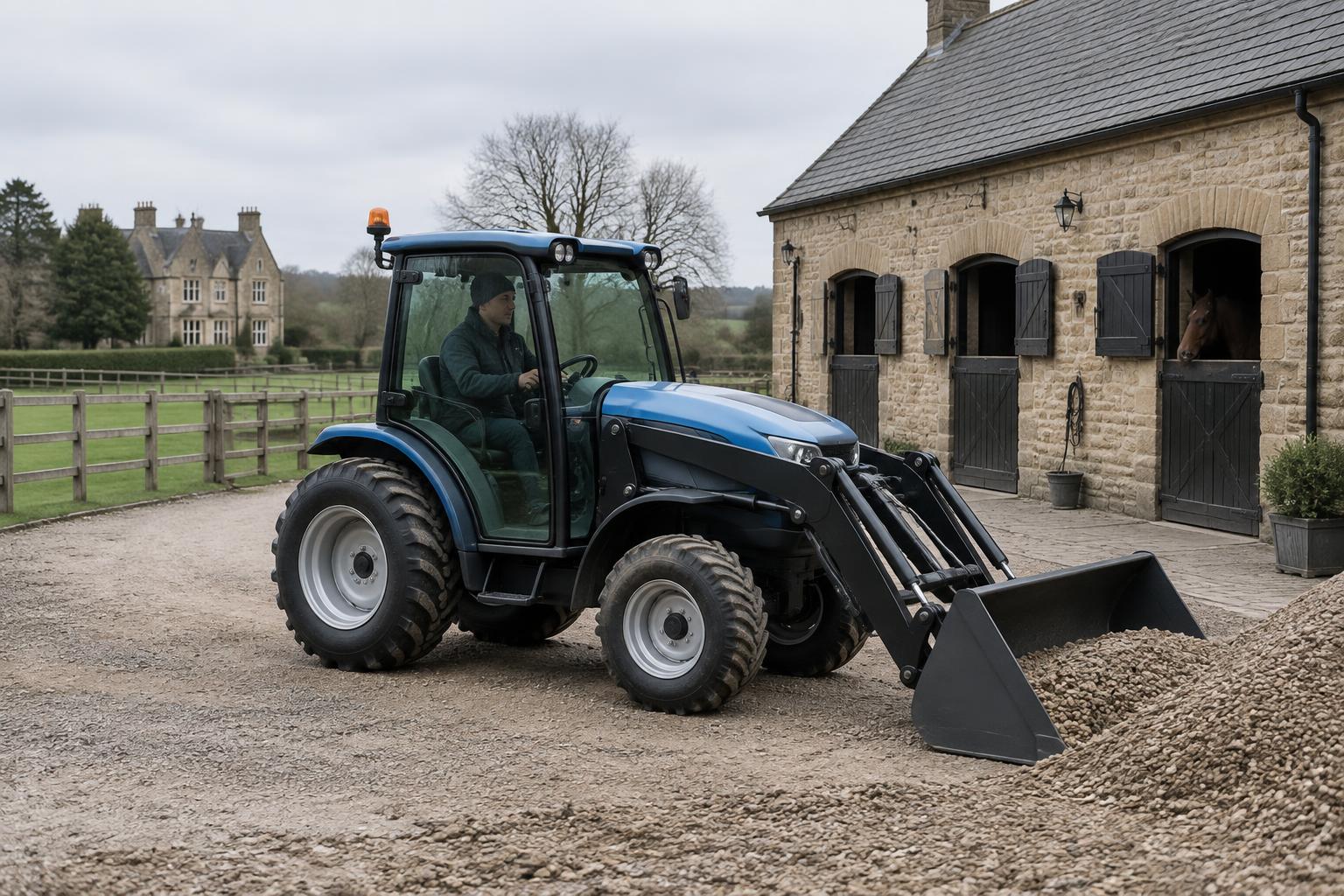
Estates, equestrian sites and groundcare operations can be strong electric-tractor use cases because work is often local, visible and close to charging.
Read guide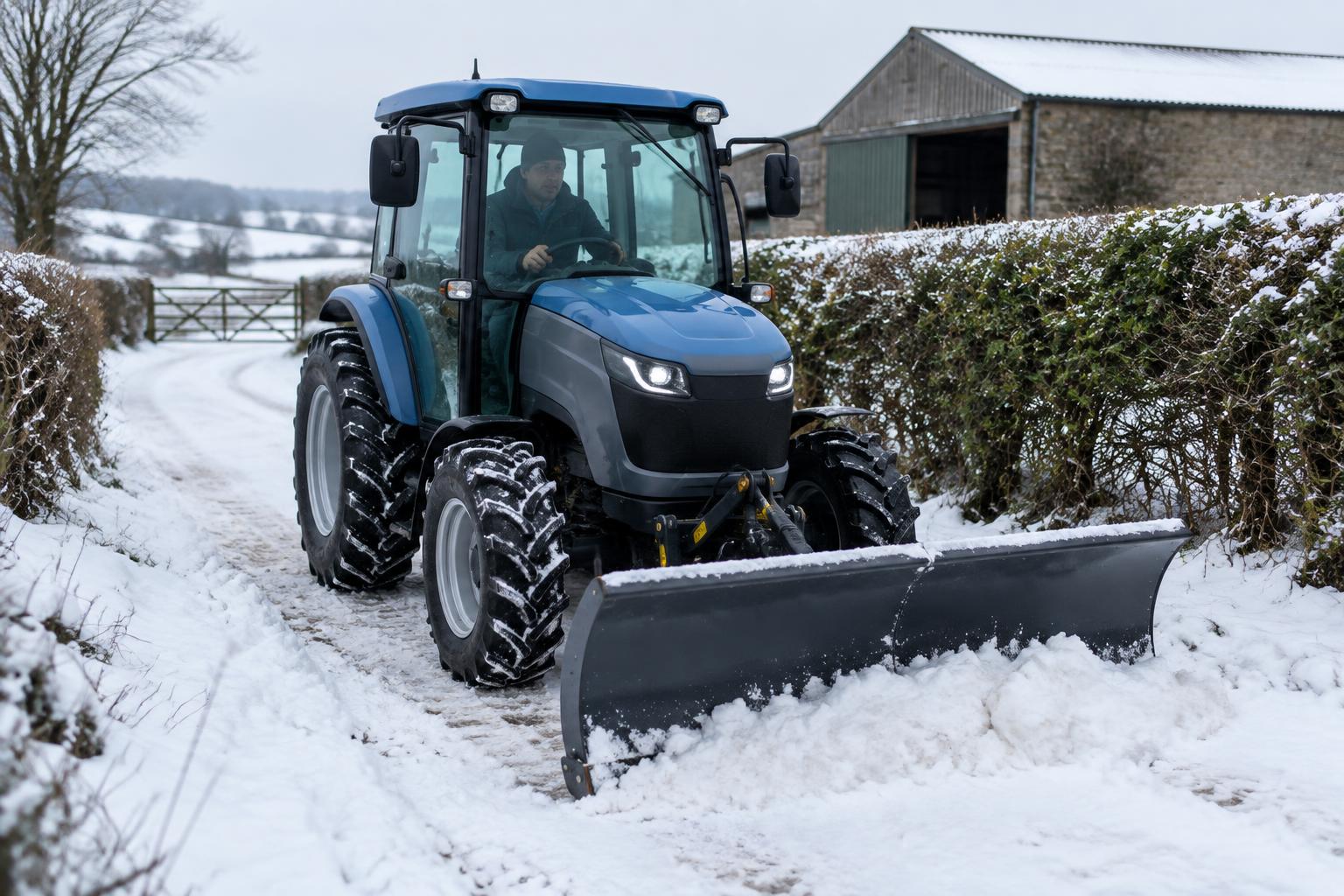
Winter changes electric-tractor energy use, but good planning, thermal management and charging routines can keep many duties practical.
Read guideOther articles on the site that cover jobs & applications.
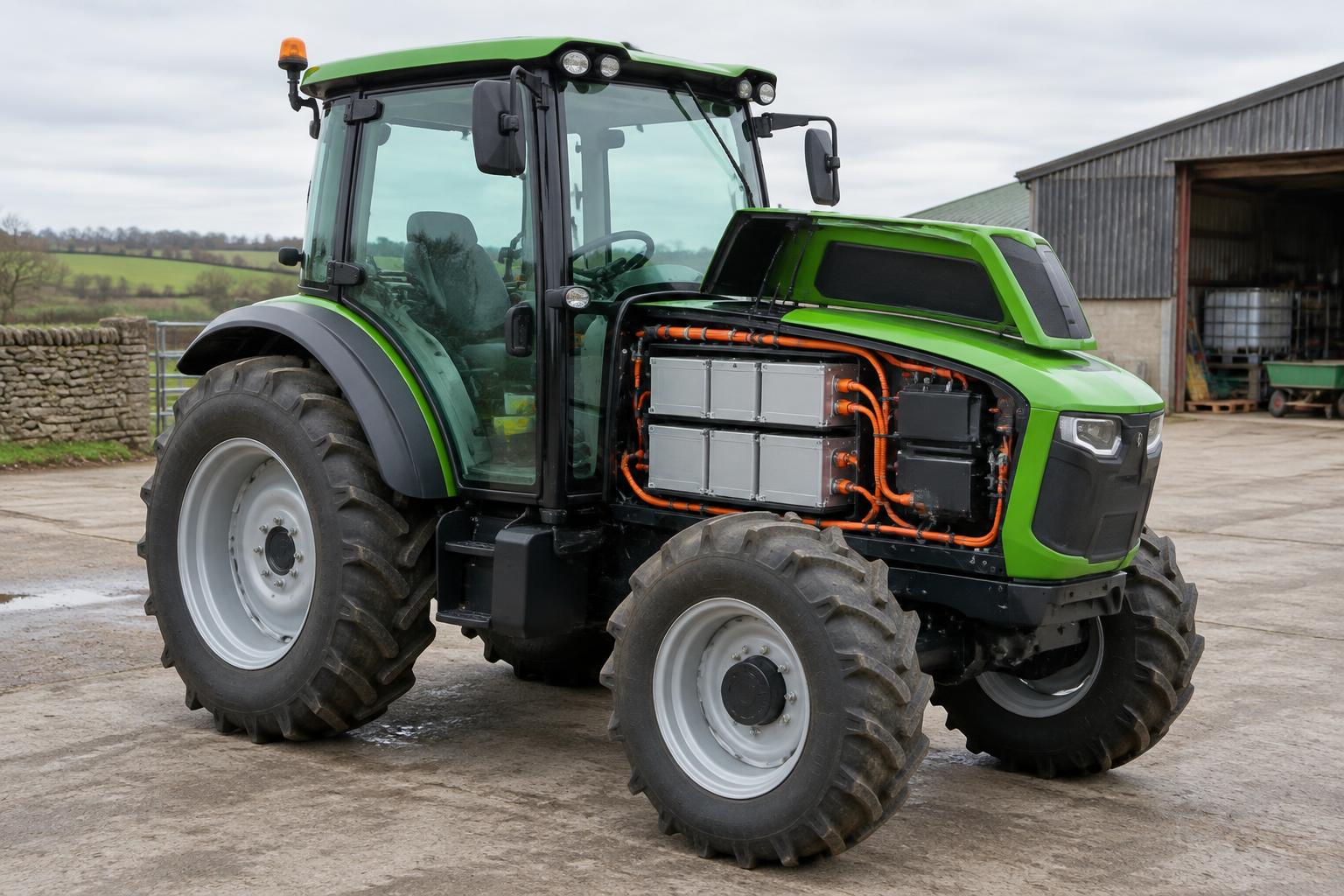
Electric tractors turn stored electrical energy into controlled mechanical power. This guide follows that energy from the charger to the wheels and implements.
Read guide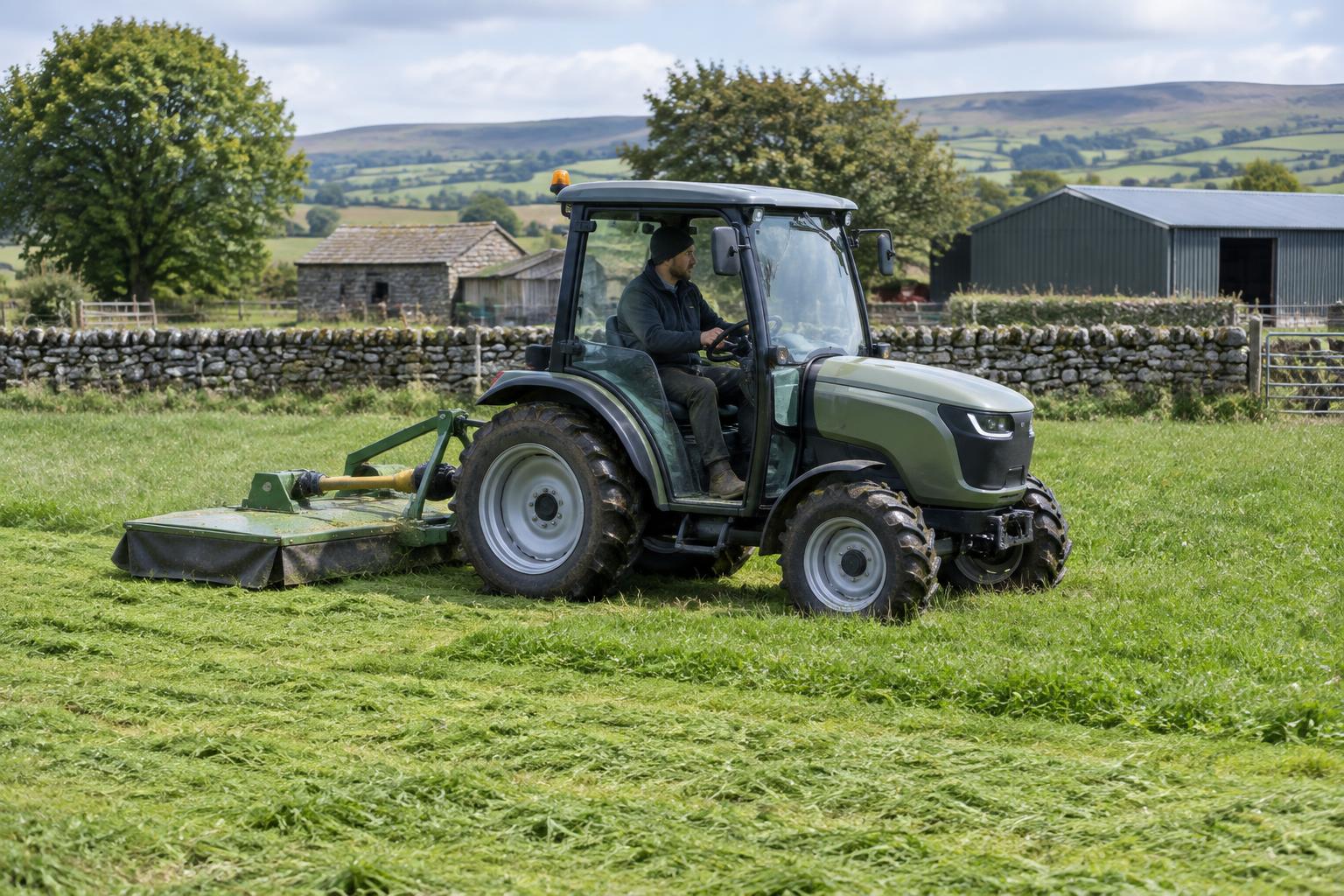
Electric tractors work best where energy demand is manageable, charging is easy and the benefits of quiet, exhaust-free operation have real value.
Read guide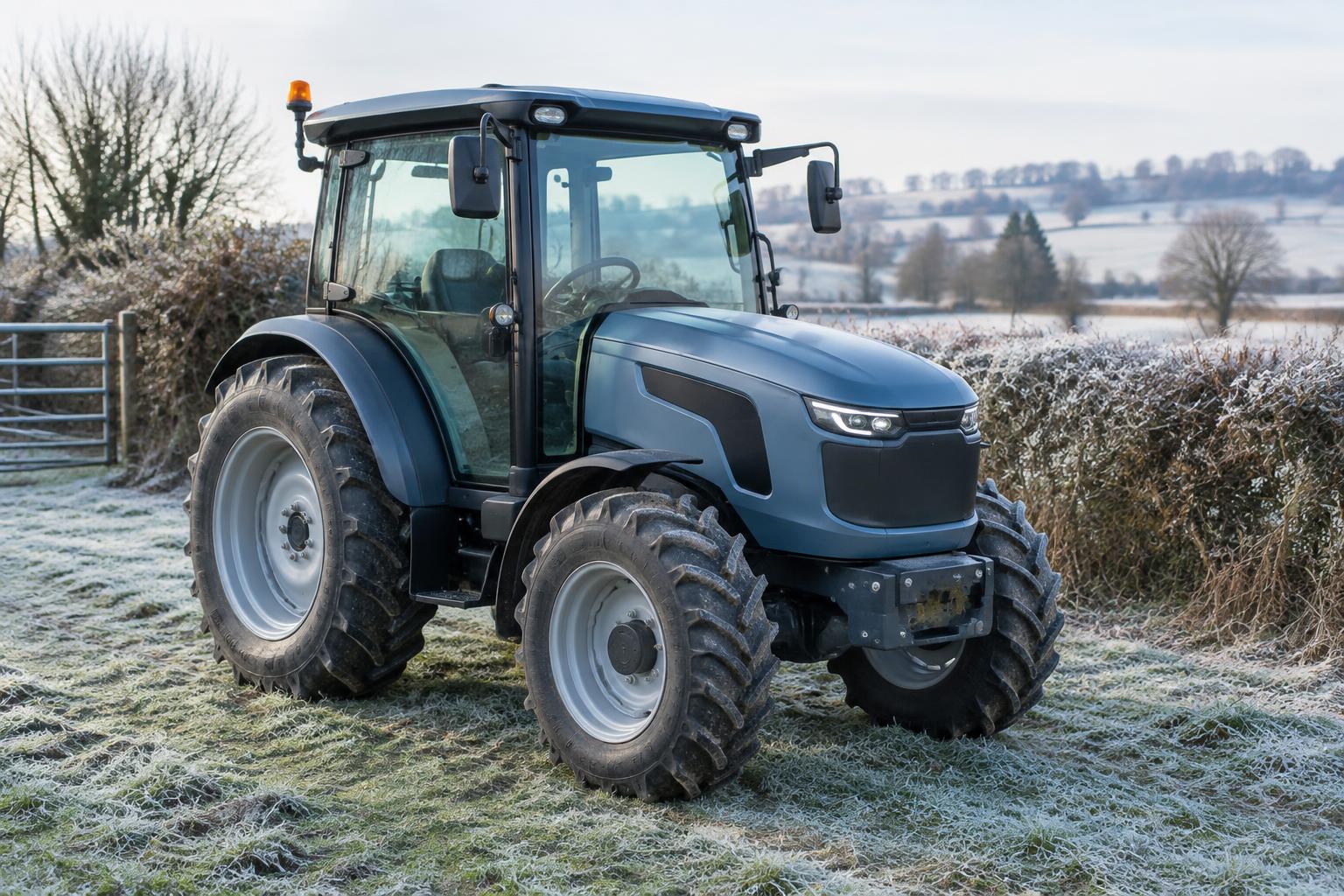
Electric tractor batteries work across a range of conditions, but temperature and weather can affect available energy, charging and efficiency.
Read guide