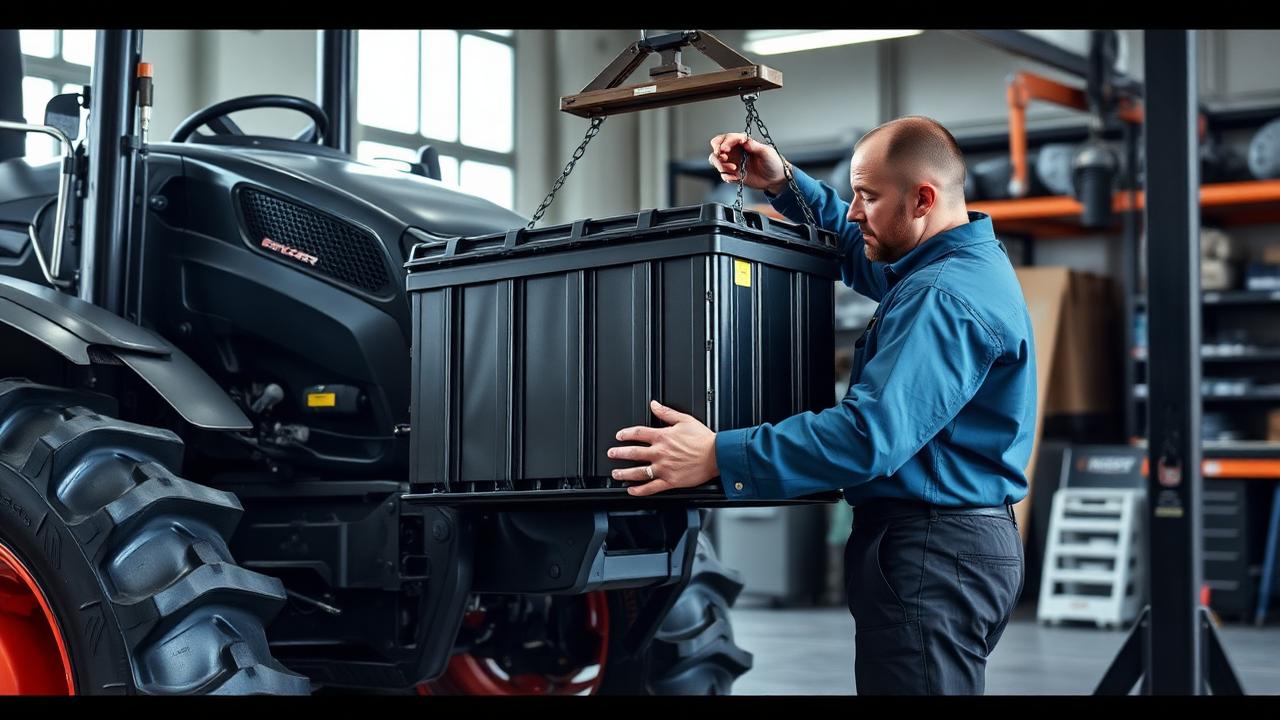
Battery replacement is one of the biggest long-term questions around electric tractors because the traction battery is both expensive and central to the machine's usefulness. The important point is that ageing normally means gradual capacity loss rather than a battery suddenly becoming unusable on a particular birthday.
That makes diagnosis, warranty terms and duty cycle more important than a simple years-to-replacement estimate.
What is battery degradation?
Battery degradation is the reduction in usable capacity and sometimes power capability as cells age.
All rechargeable batteries age. The rate depends on chemistry, design, temperature, charging, depth of discharge, time and workload.
A well-managed pack may retain useful capability for many years, while a heavily stressed pack can age faster.
Why retained capacity matters
Imagine a tractor originally has enough energy to complete a normal working day with 30% remaining.
Some capacity loss may have little practical effect.
If the same tractor already finishes at 5%, modest degradation could force a charging stop.
So battery condition must be judged against the work the tractor performs.
State of health
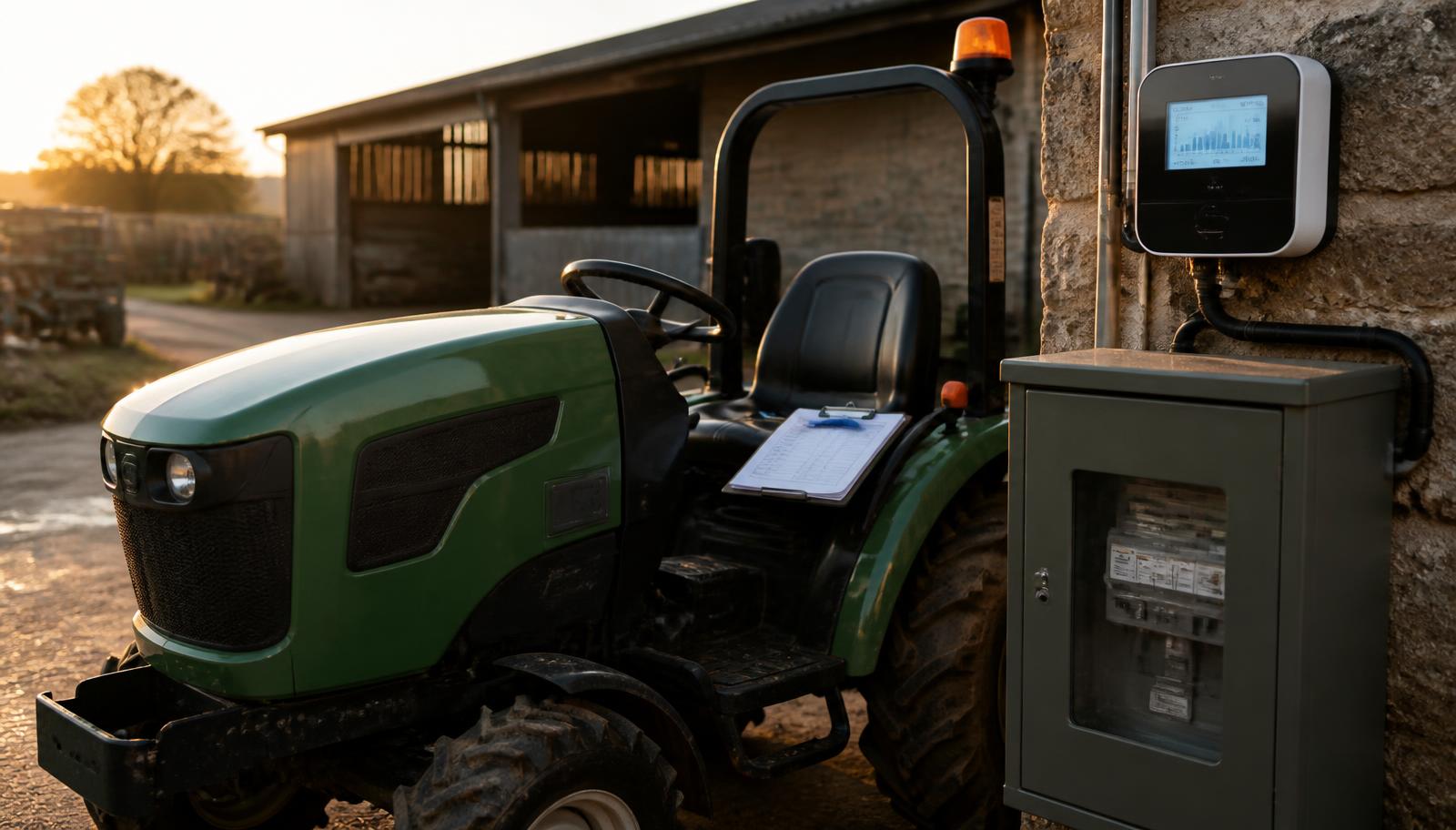
Electric machinery may provide a state-of-health measure or diagnostic report.
This can help estimate how much usable battery capacity remains relative to when the pack was new.
The method varies between manufacturers, so ask how the figure is calculated and whether an independent or authorised diagnostic report is available.
Battery warranty
A useful warranty should answer:
- how long the battery is covered;
- whether there is an operating-hour limit;
- what faults are included;
- whether retained capacity is guaranteed;
- what exclusions apply;
- whether software updates or service checks are required;
- whether cover transfers to a second owner.
A general tractor warranty may not provide the same protection as a specific battery warranty.
Does the whole battery have to be replaced?
Not necessarily.
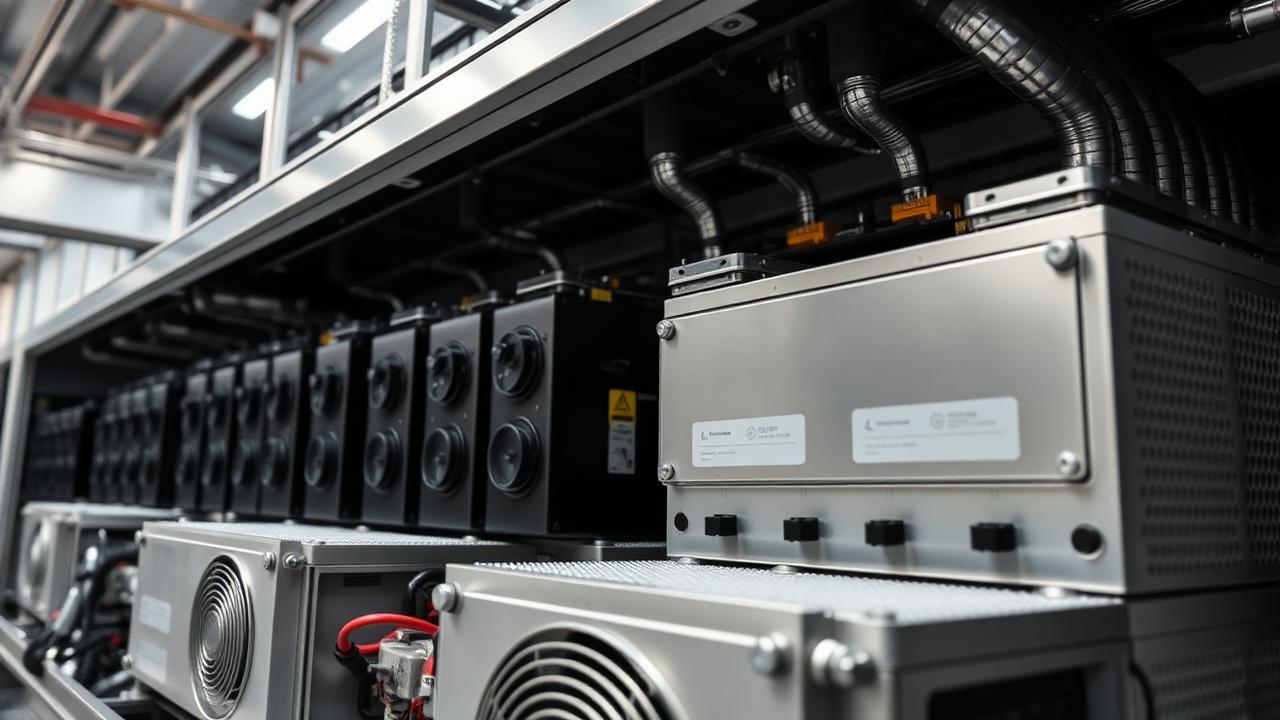
Some packs are modular and may allow repair or replacement of specific components. Other designs may require a larger assembly.
The service strategy depends on the manufacturer, and high-voltage battery work is specialist work.
Before buying, ask whether module-level repair is supported and how long major battery parts are expected to remain available.
What will replacement cost?
There is no useful generic figure.
Battery size varies enormously, and replacement pricing can change as cell costs, parts policy and labour change.
A responsible ownership calculation should therefore request an indicative replacement strategy from the supplier rather than inserting a made-up industry average.
For financial planning, it may be sensible to model several scenarios: no replacement during ownership, partial repair, or major battery replacement late in life.
Can degradation be slowed?
Owners cannot stop battery ageing, but good operation can help avoid unnecessary stress.
Follow manufacturer guidance on:
- routine charge limits;
- fast charging;
- temperature;
- long-term storage;
- software;
- cooling-system maintenance.
Generic advice should never override the machine's own instructions.
The second-hand market
Battery health is likely to become a key part of valuing used electric tractors.
A used diesel buyer may focus on hours, engine condition, transmission and service history. An electric buyer will also want credible battery-health evidence.
A machine with documented battery condition, dealer support and a transferable warranty is likely to inspire more confidence than one with no diagnostic history.
Could an older battery still be useful?
Yes.
A battery that no longer provides enough energy for a long working day might still be entirely adequate for shorter estate or yard duties.
That can extend the useful life of the tractor or influence where it is deployed.
Battery value is therefore linked to capability, not merely age.
Second-life batteries
Across the wider battery sector, there is interest in using retired vehicle batteries for stationary energy storage.
Whether a tractor battery can economically enter a second-life application depends on pack design, remaining health, certification, safety and available commercial routes.
Do not assume every battery will automatically become farm storage.
Recycling
Traction batteries contain valuable materials and should enter appropriate recycling and recovery systems at end of life.
The practical route will depend on the manufacturer, supplier and regulation at the time.
Owners should ask who is responsible for the battery when it eventually leaves service.
Depreciation risk
A new technology market can create residual-value uncertainty.
Battery condition, parts support, software support and future technology changes may affect what an older electric tractor is worth.
That does not mean residual values will be poor. It means buyers should avoid assuming diesel-style depreciation without evidence.
Build battery risk into total cost
When comparing with diesel, include a reasonable allowance for:
- warranty position;
- expected retained capacity;
- diagnostic cost;
- possible repair;
- resale value.
Do not automatically charge the model with a full battery replacement every few years. That can be just as misleading as ignoring battery ageing completely.
The best protection is information
Before purchase, obtain the battery warranty, service policy and diagnostic process in writing.
For a used machine, request a battery-health report where possible.
Battery degradation is manageable as an ownership issue when it can be measured, understood and priced.