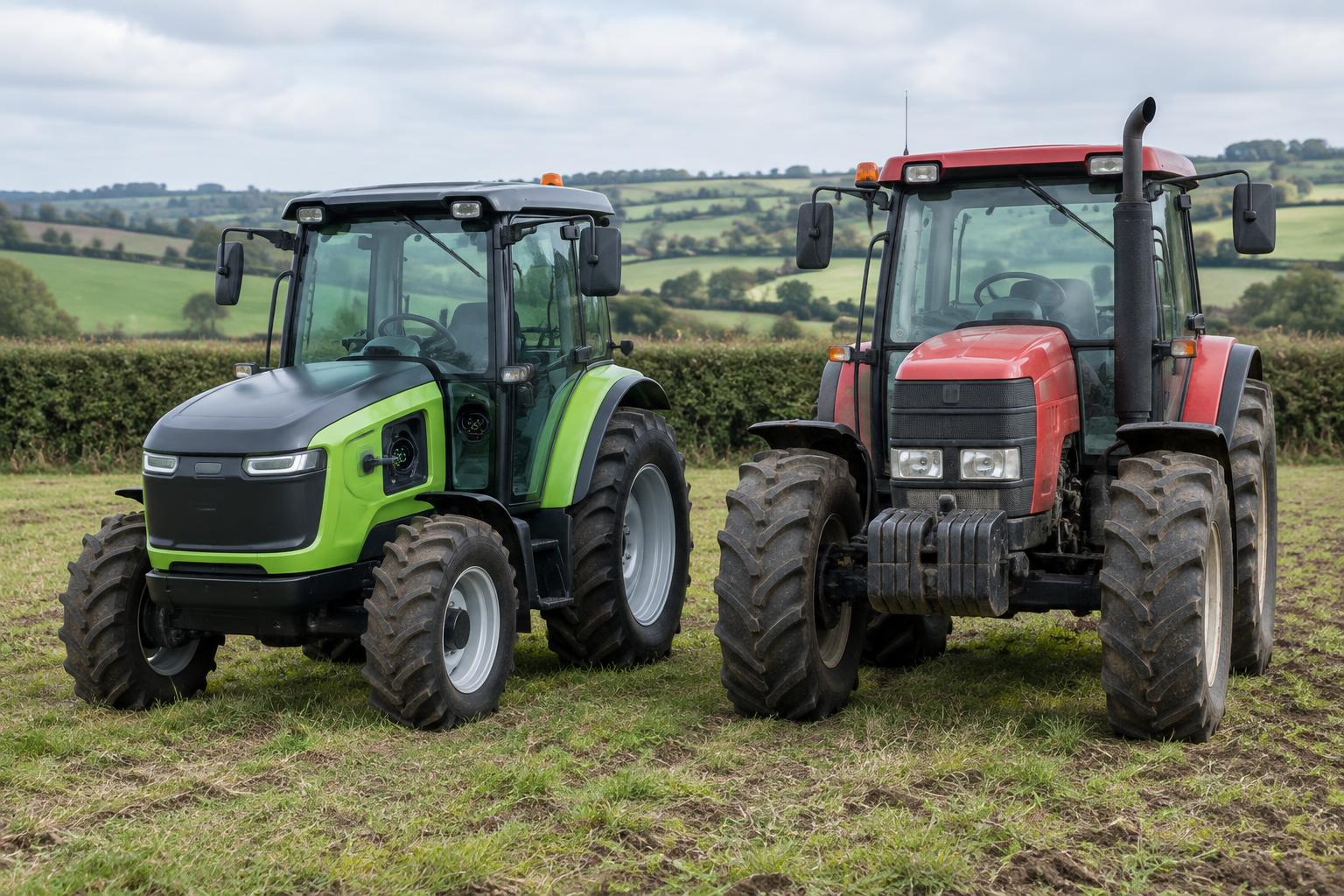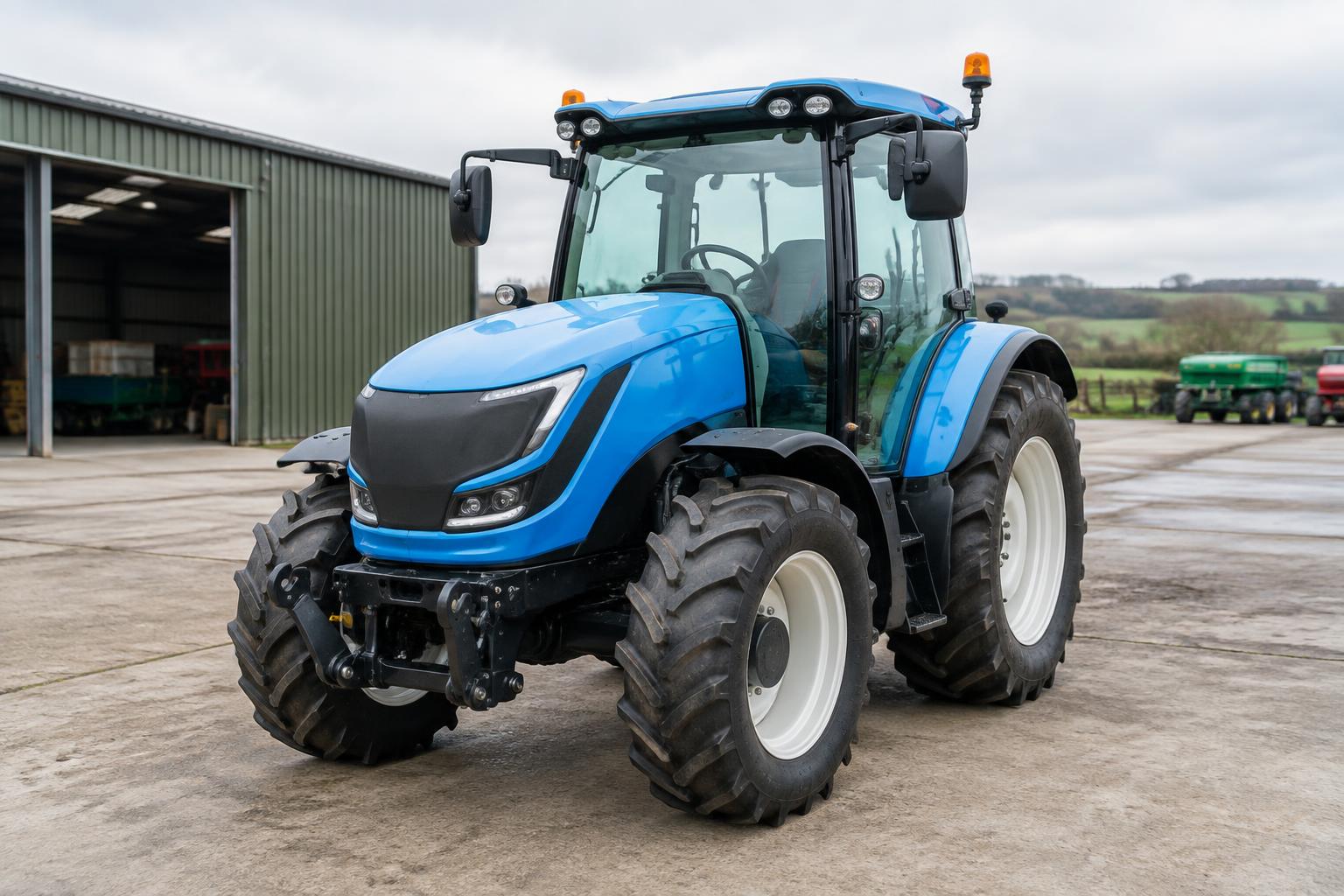
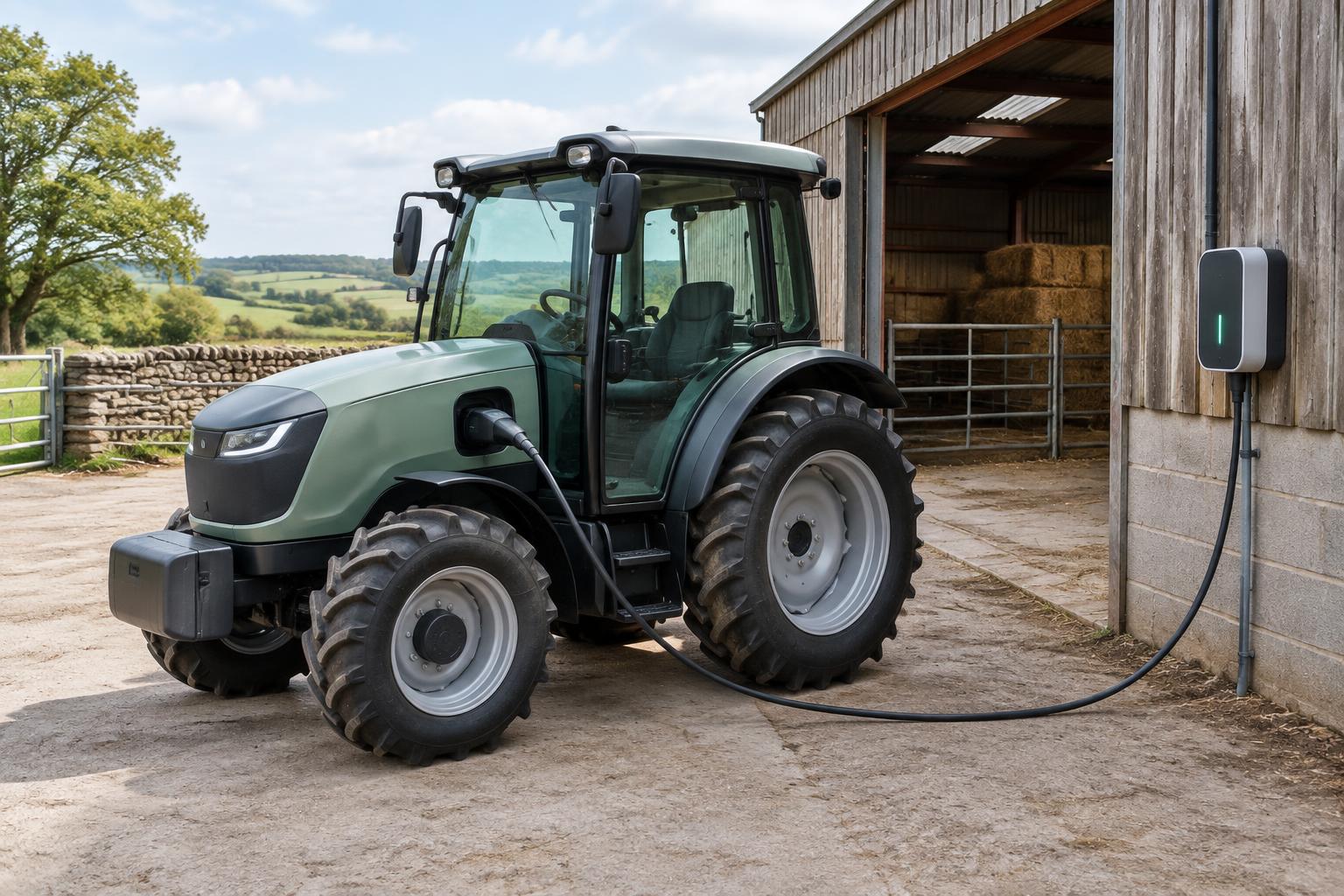
The running cost of an electric tractor depends on how much electricity it uses, what that electricity costs, how the tractor is maintained and whether charging affects productivity. There is no responsible universal “cost per hour” because workload changes energy demand so dramatically.
A light yard duty and heavy soil work can produce very different consumption from the same machine.
Start with measured energy use
The strongest running-cost calculation uses electricity drawn from the meter or charging system.
If a charger records energy delivered over a week, divide that cost by productive tractor hours or by the amount of work completed.
For example, the useful calculation is:
electricity cost per working hour = total charging electricity cost ÷ productive tractor hours
This captures real work and real charging losses more accurately than relying only on the battery's rated capacity.
Why battery capacity is not consumption
A 100 kWh battery does not mean the tractor uses 100 kWh every day.
It may begin the day partly charged, finish with energy remaining or use only a portion of the pack. Some quoted battery capacity may also differ from usable capacity.
Treat the battery as the size of the energy store. Consumption is how quickly that energy is used.
Electricity tariffs matter
A farm can pay very different electricity prices according to contract, time of day and site arrangements.
If the tractor can charge overnight, a time-of-use tariff may improve the economics. If it needs rapid charging during expensive peak periods, the result may be less attractive.
Businesses should use their actual marginal electricity cost rather than a national household average.
Include charging losses
No charging system is perfectly efficient.
Some electricity is lost as heat in cables, electronics and the battery. The amount varies with equipment, temperature and charging conditions.
That is why the meter or charger is the best place to measure operating energy cost. It tells you what the business actually bought from the grid.
What about solar-generated electricity?
On-site generation can reduce the cost of imported electricity, but internally generated power still has value.
If solar electricity could have been exported or used by another farm load, using it in the tractor has an opportunity cost. Battery storage also has capital cost and efficiency losses.
A sensible analysis compares:
- grid import avoided;
- export income forgone;
- timing of generation;
- storage losses;
- capital costs where relevant.
Our solar charging guide covers the principle.
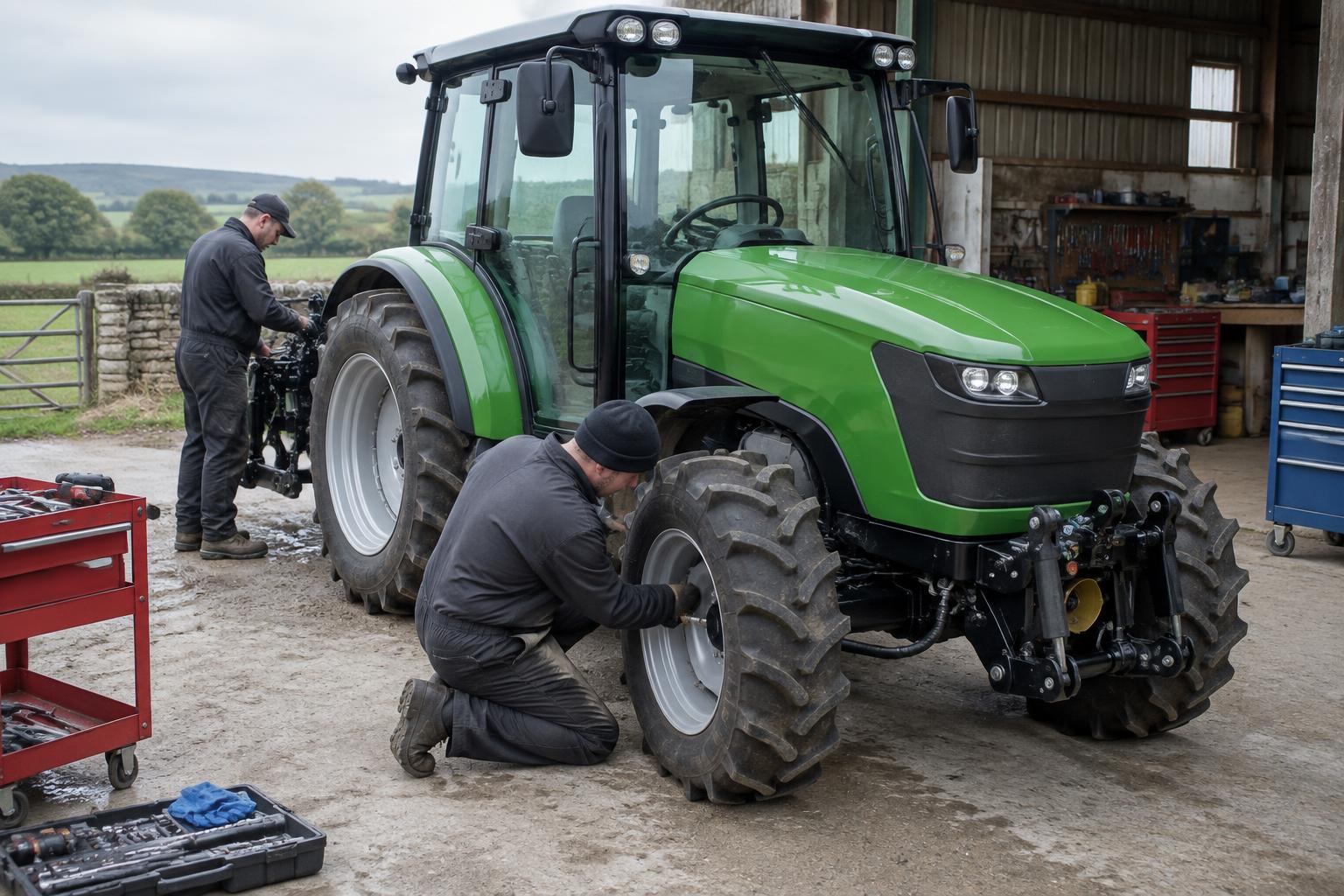
Maintenance cost
Battery-electric drivetrains remove several combustion-engine service tasks.
There is no engine oil service, diesel fuel system or diesel exhaust after-treatment in a pure battery-electric tractor. Electric motors can also have fewer moving parts than engines.
However, the rest of the tractor is still agricultural machinery.
Budget for:
- tyres;
- brakes;
- hydraulics;
- steering;
- bearings;
- cooling systems;
- linkages;
- cab systems;
- software/diagnostics where applicable;
- implement maintenance.
Check the actual service schedule before estimating savings.
Battery health and depreciation
Battery ageing is a long-term ownership issue rather than a day-to-day running expense, but it should influence the cost model.
As usable capacity declines, the tractor may need charging more often or become less suitable for a demanding duty.
A strong ownership calculation therefore tracks battery state of health where the machine provides that information.
Downtime can cost more than electricity
A cheap kWh is irrelevant if charging prevents the tractor from completing time-critical work.
Ask:
- can it complete the shift?
- can it charge during breaks?
- can charging happen overnight?
- is a second machine needed?
- what happens during peak seasonal work?
If charging time fits naturally around operations, the cost impact may be minimal. If it creates a bottleneck, include that lost productivity.
Compare with diesel correctly
For a diesel tractor, use actual fuel records where possible.
Use the price you actually pay for rebated fuel, not a forecourt diesel price. UK farms using machinery for agriculture, horticulture, forestry or fish farming retain the entitlement to rebated fuel, and the duty on it is materially lower than road diesel duty. Using the wrong figure is the single most common way an electric-versus-diesel comparison goes wrong.
Calculate:
diesel fuel cost per productive hour = litres used × price per litre ÷ productive hours
Then add relevant service costs.
For the electric machine, calculate electricity from meter data and add servicing and any charging-related operating costs.
The comparison should cover the same job. Comparing a light electric duty with heavy diesel cultivation proves very little.
Total cost of ownership is more useful
Running cost is only one layer.
A machine with low energy cost can still have a poor financial case if the purchase price is much higher or utilisation is low. Conversely, high annual utilisation can make operating savings more valuable.
A 2026 systematic literature review by Kozak and Bonev in Applied Energy, which assessed sixteen studies using PRISMA methodology, found that battery-electric tractors are economically competitive under specific conditions while high upfront costs remain the main barrier despite lower operating expenses. That is a useful reminder that the economics are context-dependent rather than settled either way.
Build your own baseline
Before changing powertrain, collect several months of:
- tractor hours;
- diesel use;
- task type;
- servicing expenditure;
- downtime;
- distance or area worked where useful.
That becomes the baseline against which an electric tractor can be assessed.
The most important rule
Do not buy the headline saving.
One more warning on the diesel side of the comparison. Use your actual rebated fuel invoices rather than a pump price or a published average. Rebated fuel duty has changed more than once in recent years, and the gap between rebated and road diesel is large enough to change the whole answer.
Ask for energy-consumption information relevant to your duty, use your own electricity tariff and model the whole operating pattern.
Electric tractors can be cheaper to operate. Whether they are cheaper for your business is a calculation.