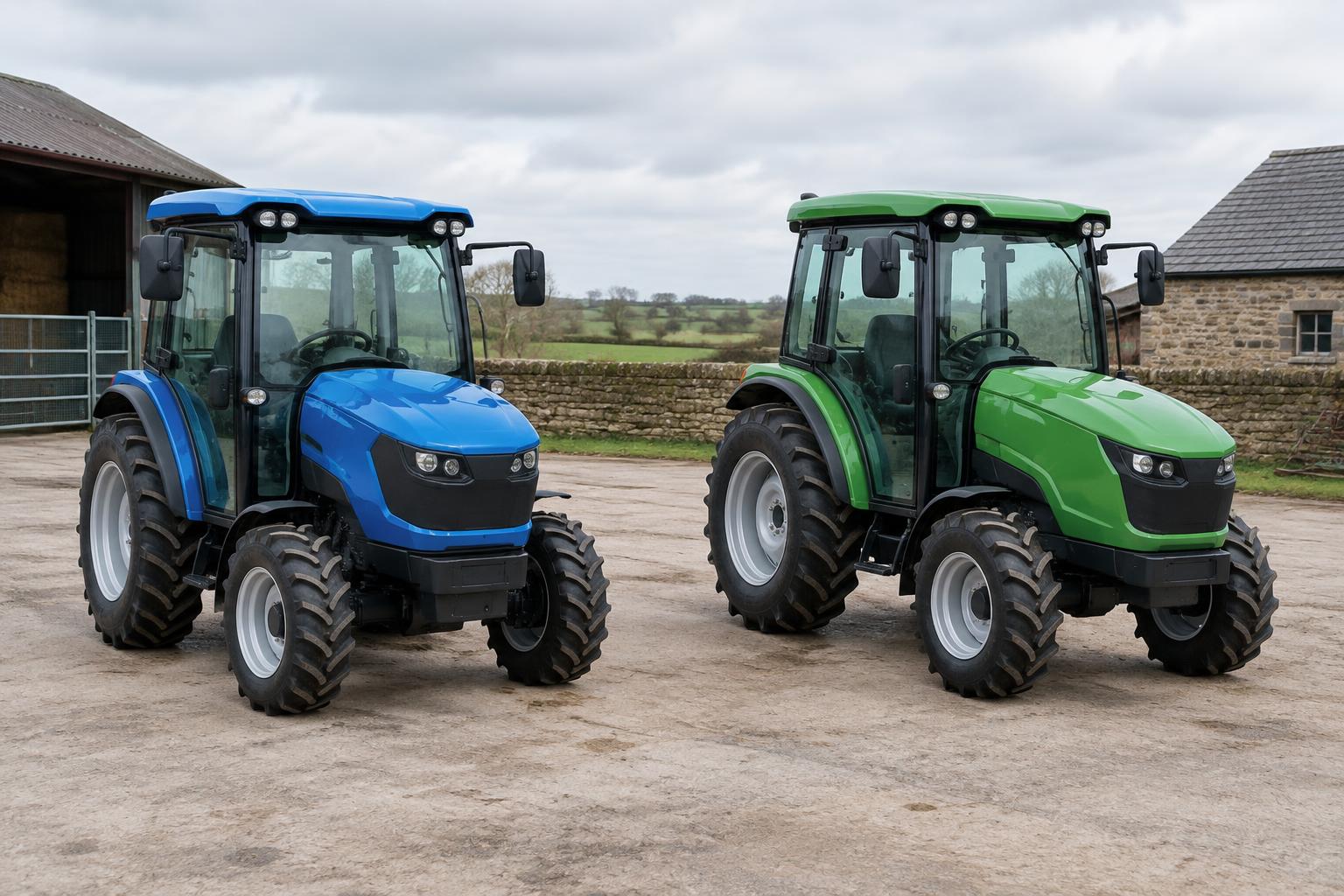
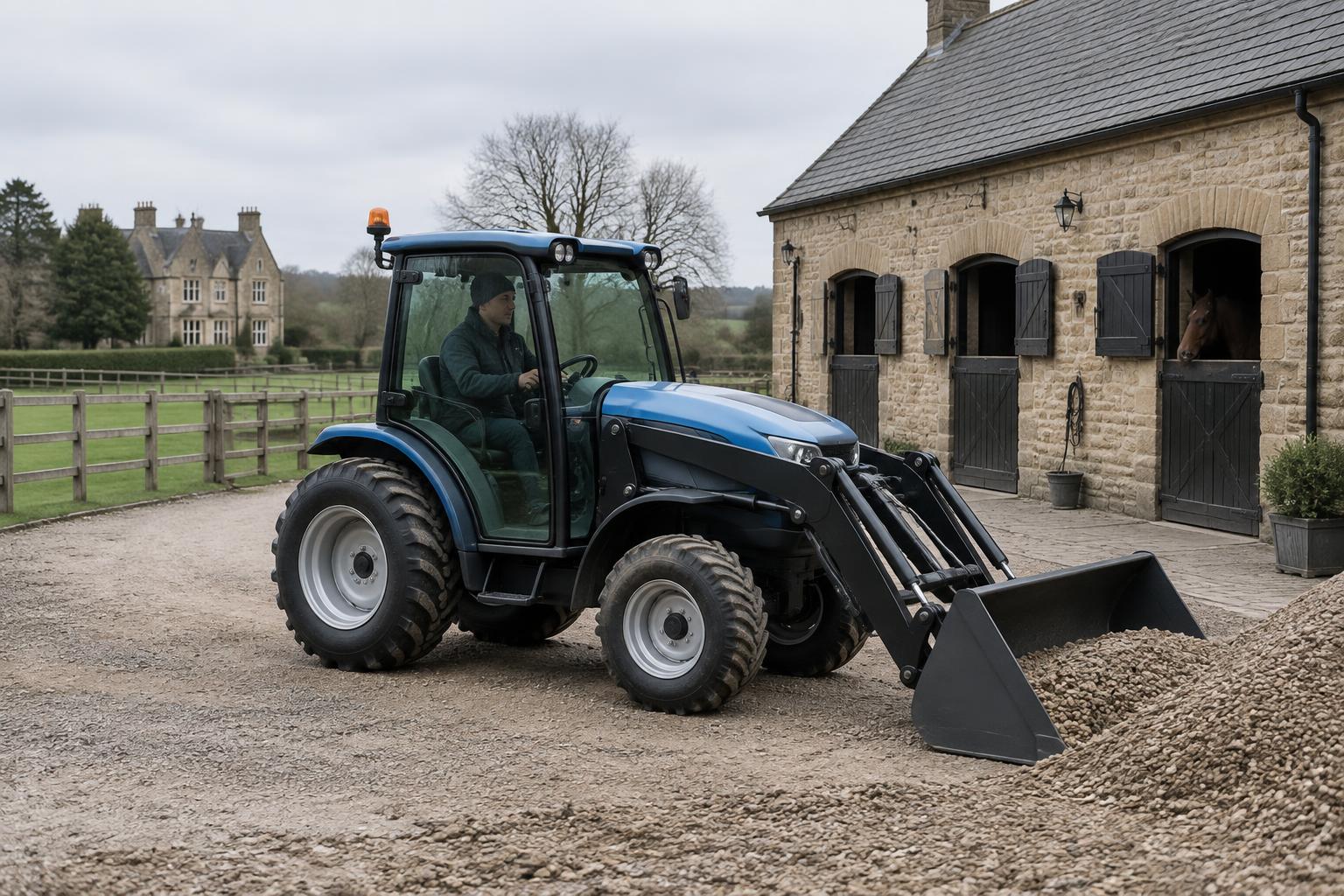
Electric tractors can be particularly interesting for estates, equestrian yards and groundcare because the work is often carried out near people, animals and buildings. Lower powertrain noise and no tailpipe exhaust can have a practical value beyond energy savings.
Many duties are also predictable and return regularly to a depot, barn or yard, which makes charging easier.
Estate work
A general estate tractor might mow, tow trailers, move materials, clear leaves, maintain paths and support seasonal tasks.
These are often mixed duties rather than continuous heavy cultivation.
That variable workload can suit an electric drivetrain well because energy use falls during lighter periods and the tractor may have natural pauses.
Equestrian yards
Stables can benefit from reduced exhaust and noise around animals and staff.
Typical jobs include:
- muck trailer movements;
- arena maintenance;
- paddock topping;
- harrowing;
- loader work;
- feed and bedding movement;
- towing water bowsers;
- general grounds maintenance.
An electric tractor still needs appropriate tyres, hitch, loader and implement compatibility.
Groundcare
Groundcare operations may value quiet working near visitors, homes, schools or hospitality venues.
A tractor can be used with mowers, sweepers, trailers and winter attachments.
The noise of the implement may remain significant, but removing engine noise can still reduce the overall sound level.
Public-facing sustainability
Hotels, visitor attractions, local authorities and estates may value visibly reducing local diesel use.
That can support organisational sustainability goals.
Any environmental claim should be accurate. The strongest wording is that battery-electric operation has no tailpipe exhaust and can reduce lifecycle emissions depending on the electricity source and wider system.
Charging at a depot
Groundcare fleets often return to a central location.
That is favourable for charging.
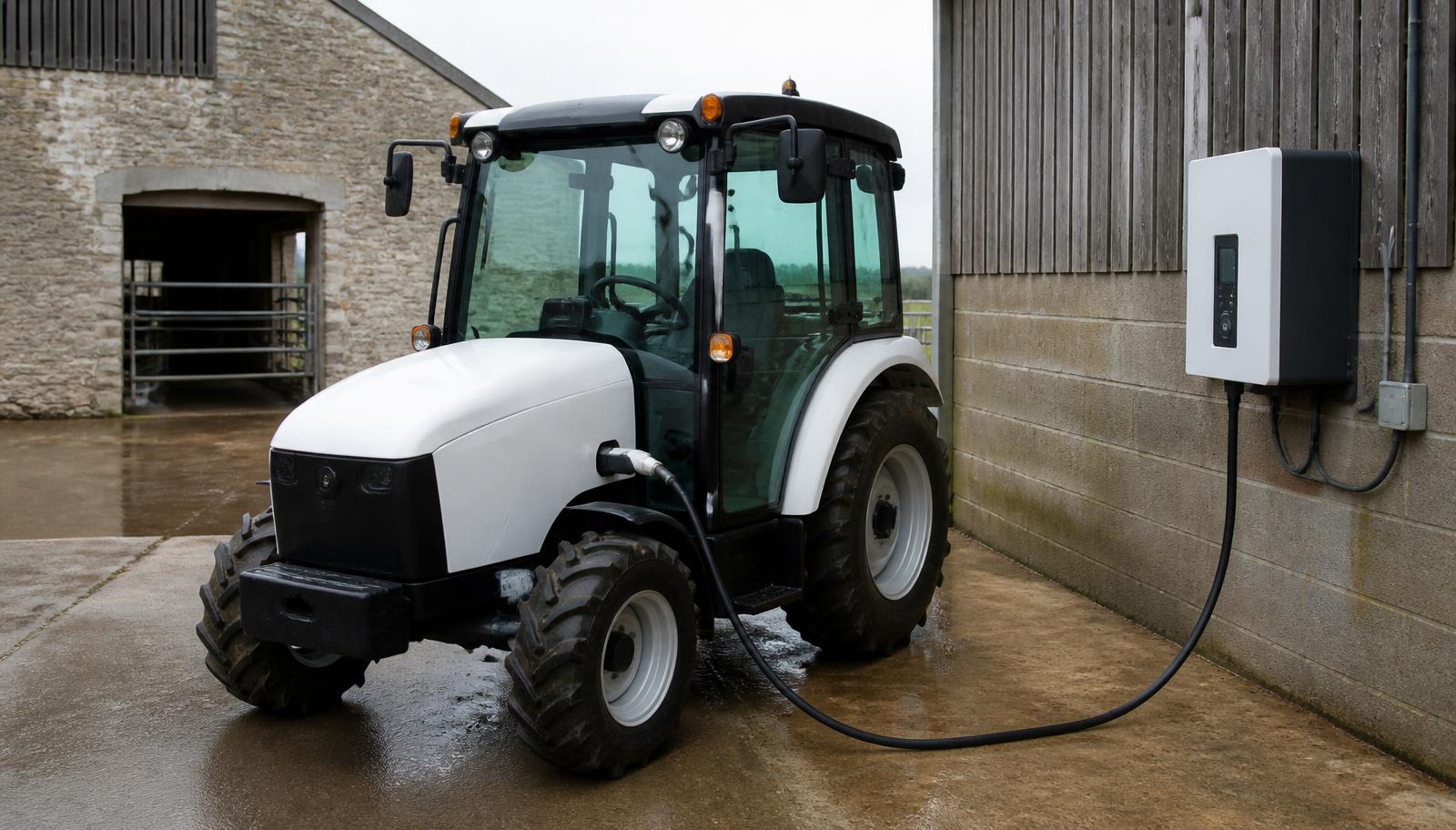
If machines are parked overnight, slower AC charging may be enough. A depot with several electric vehicles may need load management to avoid every charger drawing maximum power simultaneously.
Towing
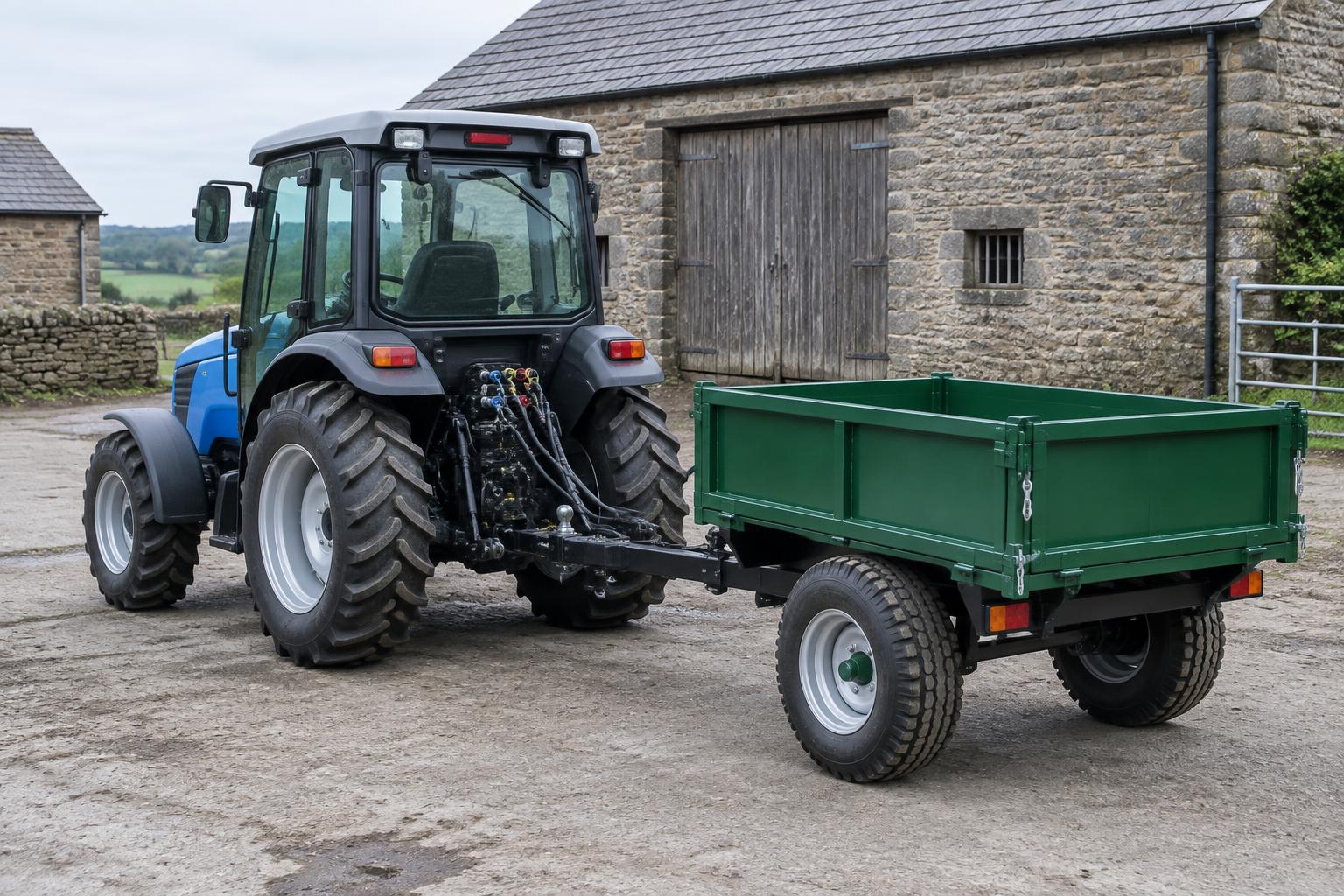
Short trailer movements around estates and yards can suit electric tractors.
Check official towing limits, trailer brakes and route gradients.
For detailed considerations, see electric tractor towing and hydraulics.
Mowing
Mowing can be a substantial energy load because a powered implement may operate continuously.
A tractor's runtime during transport tells you little about runtime while mowing.
Ask for energy or runtime evidence with a comparable mower and grass condition.
Loader work
Electric drive can be efficient in stop-start loader cycles.
The tractor does not need to keep a diesel engine idling between movements.
Hydraulic flow, lift capacity, ballast and battery energy remain the deciding specifications.
Winter maintenance
Estates and local authorities may use tractors for gritting, sweeping or snow duties.
Cold temperatures can affect battery performance, so winter reserve is important.
The quieter powertrain may be useful for early-morning work near homes, although the attached equipment still creates noise.
Animal behaviour
It is tempting to assume animals will always prefer an electric tractor.
Lower engine noise may reduce disturbance, but animals can react to unfamiliar machinery, movement, reversing alarms and attachments.
Normal safe working around livestock and horses remains essential.
Charging safety around yards
Cables should not cross routes used by horses, pedestrians or vehicles.
Charging equipment needs a protected location and a safe parking arrangement.
A tidy installation is especially important in busy yards.
Costs
Electric machinery may save on energy and some maintenance, but estates with low annual hours should check whether the upfront premium can be recovered.
Commercial users may also value non-financial benefits such as quieter operation and local air quality.
Those values should be explicit rather than hidden inside an unrealistic payback claim.
Questions to ask
Before buying, list:
- daily operating hours;
- longest shift;
- all implements;
- towing loads;
- loader use;
- road travel;
- available charging time;
- existing electrical supply;
- winter workload.
Then test whether the electric tractor can cover the busiest realistic day.
A promising fit
Estates, equestrian sites and groundcare are among the more natural early markets for compact electric tractors.
The use cases often align with the technology's current strengths: controllable low-speed work, regular access to base, lower noise and no local exhaust.
The machine still has to be selected like any other tractor, on capability, support and total cost.